
Iran has warned the United States and its regional partners against launching another military operation, saying any fresh attack would trigger retaliation against American bases and interests across the Middle East.
The warning came as US President Donald Trump said Yemen’s Houthi movement had agreed not to fight the United States, even as the Iran-backed group continues its confrontation with Saudi Arabia. The developments come amid renewed diplomatic efforts to bring Washington and Tehran back to negotiations.
Iran’s Central Military Command said it had received information indicating that the US, with support from some regional countries, was preparing to resume military action. Iranian authorities did not publicly provide evidence for that assessment, so the reported preparations remain an Iranian claim rather than confirmation of a new US strike.
The Islamic Revolutionary Guard Corps separately warned on Monday that Iran could introduce new weapons and target locations that had not previously been attacked if Washington launched another assault. Iranian officials have also warned countries that assist a US operation that they could be treated as participants in the conflict.
Trump says Houthis do not want confrontation with US
The situation is further complicated by the renewed fighting between the Houthis and Saudi Arabia.
Trump said on September 20 that the Houthis had agreed not to attack the United States. The comments were reported by Fox News correspondent Trey Yingst, who said Trump described Washington as being in communication with the Yemeni movement. Trump had made a similar statement on September 12.
A senior Houthi official, Mohamed al-Bukhaiti, separately told The Associated Press that the group was not targeting US vessels in the Red Sea and that this position remained in place. The statement came as the Houthis intensified their conflict with Saudi Arabia and expanded their presence along parts of Yemen’s Red Sea coast.
The distinction is important: a stated understanding between Washington and the Houthis does not mean the wider regional conflict has eased. Houthi attacks on Saudi Arabia have continued, while Washington has warned that the Saudi-Houthi fighting could escalate rapidly.
Qatar pushes for renewed US-Iran talks
Diplomatic channels remain active despite the military warnings.
Qatar’s Foreign Ministry spokesperson Majed Al Ansari said Doha had been exchanging ideas with Washington and Tehran in an effort to restart negotiations. He said US officials had indicated that they wanted a deal and that Qatar was trying to bridge differences between the two sides.
Trump has also indicated that he is open to meeting Iranian President Masoud Pezeshkian in New York during the United Nations General Assembly. The possibility of direct contact comes while Tehran has presented conditions for renewed negotiations and Washington continues its pressure campaign.
Iranian Foreign Minister Abbas Araghchi was due to stop in Doha before travelling to New York for the UN General Assembly, according to Iranian state media. Qatar’s mediation therefore remains one of the active diplomatic channels between Tehran and Washington.
Gulf shipping remains under pressure
The military and diplomatic developments also have implications for regional shipping and energy markets.
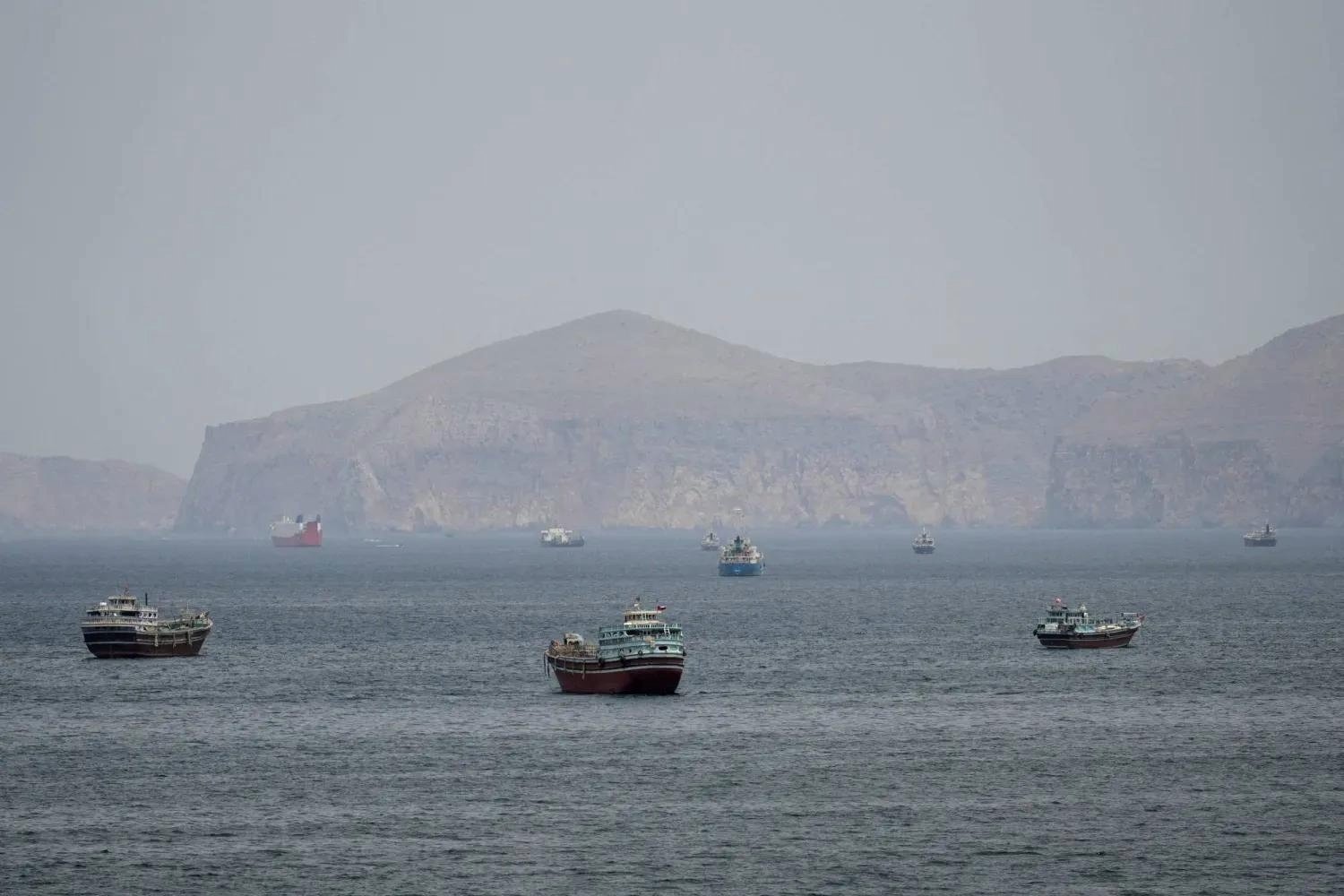
Traffic through the Strait of Hormuz has fallen sharply. Shipping data cited by Reuters showed that only 12 commodity vessels passed through the strategic waterway over the weekend, compared with 35 the previous weekend. The strait previously carried roughly one-fifth of global oil and liquefied natural gas shipments.
Oil prices remained elevated despite easing on Monday as markets weighed signs of recovering Saudi exports against continuing risks around Hormuz. Gulf energy flows and maritime security remain closely linked to developments involving Iran, Saudi Arabia and the wider regional conflict.
For UAE and wider Gulf businesses, the immediate issue is therefore not only the possibility of renewed military action but also the effect of prolonged uncertainty on shipping, energy markets and regional air and maritime security.
For now, the situation remains fluid. Iran has issued a warning of retaliation, the US has kept the possibility of negotiations open, and the Houthis have publicly indicated that they do not intend to target US vessels. None of those developments, however, represents a confirmed end to the wider regional confrontation.
What did Iran warn the US about?
Iran’s military warned that a new US attack would trigger retaliation against American bases and interests in the region. The alleged preparations for another US strike have not been independently confirmed.
What did Donald Trump say about the Houthis?
Trump said on September 20 that the Houthis had agreed not to fight the United States. A Houthi official separately told AP that the group was not targeting US vessels in the Red Sea.
Are the Houthis fighting Saudi Arabia?
Yes. The Houthis have intensified their conflict with Saudi Arabia, including missile and drone attacks, amid a renewed Yemen conflict.
Are the US and Iran negotiating?
Diplomatic efforts are continuing. Qatar says it is working with Washington and Tehran to restart negotiations, while Trump has indicated openness to meeting Iranian President Masoud Pezeshkian.
Is a new US strike on Iran confirmed?
No. Iran says it has information that the US is preparing to resume military action, but the available reporting does not establish that a new US strike has been ordered.
Why is the Strait of Hormuz important?
The Strait of Hormuz is a major energy shipping route. Recent shipping data cited by Reuters showed substantially reduced commercial traffic through the waterway.
Could the situation affect the Gulf?
Continued fighting or disruption around the Strait of Hormuz and Red Sea could affect regional shipping, energy markets and broader security conditions. The extent of any impact remains dependent on how the conflict develops.
