
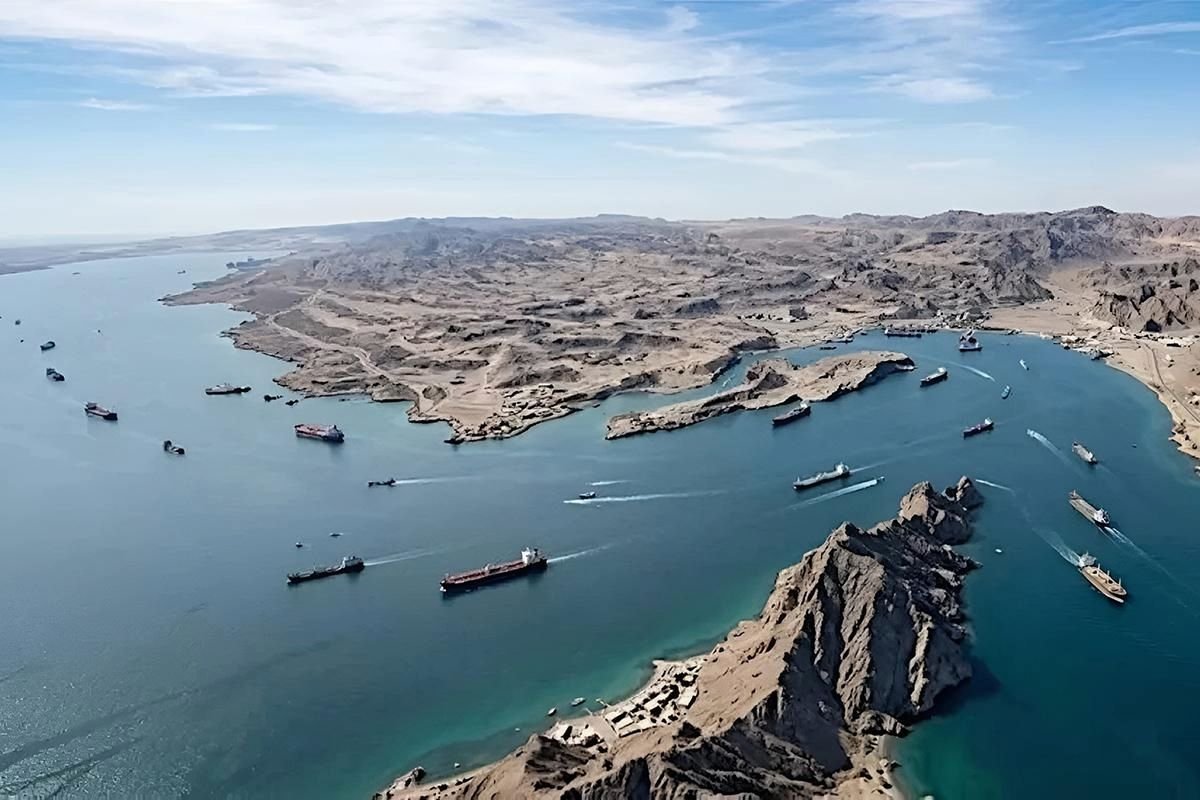
Iran says its proposal to restore shipping through the Strait of Hormuz remains available, but disagreements over sanctions, regional hostilities and Tehran’s nuclear programme continue to obstruct negotiations.
October 19, 2026
The United States and Iran remain at odds over a possible agreement to reopen the Strait of Hormuz, with Tehran reiterating its offer to restore passage through the strategic waterway while Washington continues to press for action on Iran’s nuclear programme. A confirmed deal has yet to emerge, leaving uncertainty over regional security and international shipping.
Iranian Foreign Minister Abbas Araqchi said on October 18 that Tehran’s proposal remained available. According to Reuters, Iran has offered to reopen the strait within seven days if Washington accepts its conditions, which include lifting the US blockade on Iranian ports, easing sanctions on Iranian oil exports and ending hostilities across regional fronts.
The diplomatic impasse coincides with renewed US security messaging for American citizens. The immediate implications for travellers and residents depend on the latest official advisories, local security instructions and airline operating conditions.
Why the Hormuz negotiations remain stalled
Iran presented its seven-day proposal in mid-September following the collapse of an interim ceasefire. Tehran subsequently acknowledged receiving a US response, but negotiations have made little visible progress.
Iranian security officials have said Washington has not adequately addressed all seven of Tehran’s conditions. The complete set of demands has not been publicly established in the reporting reviewed for this article.
A central disagreement concerns the order in which the two sides should tackle the outstanding issues.
Tehran wants negotiations to prioritise reopening the Strait of Hormuz and restoring maritime security. Washington, meanwhile, has insisted that Iran’s nuclear programme must be addressed from the outset.
US Vice President JD Vance said earlier in October that Iran would need to make a meaningful reduction in its uranium enrichment capacity to meet American demands, Reuters reported.
Iran’s proposal therefore represents a potential route towards renewed talks, rather than evidence that an agreement has been reached. Any reopening would depend on the parties accepting the terms and establishing arrangements that allow commercial vessels to transit safely.
Why the Strait of Hormuz matters to the Gulf
The Strait of Hormuz connects the Persian Gulf with the Gulf of Oman and the wider Arabian Sea. It is one of the world’s most important maritime chokepoints for energy supplies.
Before the conflict, the waterway carried about one-fifth of global oil and liquefied natural gas trade, according to Reuters. Disruption can affect oil shipments, shipping schedules, insurance costs and the wider energy market.
For the UAE and neighbouring Gulf economies, the situation is particularly relevant because regional trade, energy exports and maritime transport depend on secure shipping routes.
However, the absence of a confirmed agreement does not, by itself, establish the status of every shipping route, port or commercial operation. Vessel movements and restrictions can change, and shipping companies may make separate decisions based on security assessments and insurance requirements.
Energy prices are another concern. If uncertainty over maritime access persists, traders may continue to factor potential supply disruptions into oil prices. The extent of any price movement depends on actual supply conditions, market expectations and developments elsewhere in the global energy market.
For UAE consumers, it would be premature to predict a specific change in petrol prices, transport costs or the cost of goods solely on the basis of the negotiations.
What the US warning means for travellers
The US State Department maintains worldwide security guidance advising American citizens to exercise increased caution amid heightened tensions in the Middle East. Its published guidance has highlighted the possibility of flight cancellations, temporary airspace closures and other travel disruptions.
American citizens in the region should check the latest alerts from the nearest US embassy or consulate and confirm flight arrangements directly with their airlines. Travellers should also follow instructions issued by local authorities.
For UAE residents, the practical priority is to rely on official UAE announcements for local security information and on airlines for confirmed schedule changes. A US travel warning is guidance for American citizens; it does not automatically constitute a travel restriction for everyone living in the UAE.
People planning international journeys should check their departure airport, connecting airports and destination before leaving home. They should not assume that a flight has been cancelled or that an airspace closure is in effect without confirmation from an authoritative source.
What happens next?
The immediate question is whether Washington and Tehran can agree on the conditions for reopening the strait and establish a workable framework for wider negotiations.
Iran says the route could reopen within six days of US acceptance of its conditions, with talks resuming the following day, according to Araqchi’s remarks reported by Reuters. That timeline is conditional on acceptance of Tehran’s proposal and should not be treated as a confirmed reopening date.
Until both sides confirm an agreement and provide details of its implementation, uncertainty will remain over maritime access, the scope of any de-escalation and the future of negotiations on Iran’s nuclear programme.
For the UAE and the wider Gulf, the key indicators to watch are official diplomatic announcements, verified shipping movements, energy-market developments and updated travel and security guidance.
1. Has the US and Iran reached a deal to reopen the Strait of Hormuz?
No confirmed agreement was reported in the information available on October 19, 2026. Iran says its proposal remains available, but important disagreements persist.
2. What is Iran proposing for the Strait of Hormuz?
Iran has offered to reopen the waterway within a week if the US accepts its conditions. These include lifting the blockade on Iranian ports, easing oil-export sanctions and ending hostilities across regional fronts.
3. Why are US-Iran negotiations stalled?
One major disagreement concerns the order of negotiations. Iran wants to prioritise reopening the strait, while Washington insists that Iran’s nuclear programme must be addressed from the outset.
4. Why is the Strait of Hormuz important?
The strait is a key route for international energy shipments. Before the conflict, it carried approximately one-fifth of global oil and liquefied natural gas trade.
5. Could the Hormuz crisis affect the UAE?
Potentially. Disruption to maritime trade or energy supplies could affect shipping costs, energy markets and regional business confidence. The precise impact depends on actual shipping conditions and how the situation develops.
6. Does the US security warning automatically restrict travel for UAE residents?
No. US travel advisories primarily provide security guidance for American citizens. UAE residents should follow instructions from UAE authorities and check their airlines for confirmed travel disruptions.
7. What should travellers do while regional tensions continue?
Check airline updates, airport information and official travel advisories before travelling. American citizens should also monitor guidance from the nearest US embassy or consulate.
8. When could the Strait of Hormuz reopen?
Iran has said reopening could occur within six days if Washington accepts its conditions. This is a conditional proposal, not a confirmed date for restoring normal maritime traffic.
