
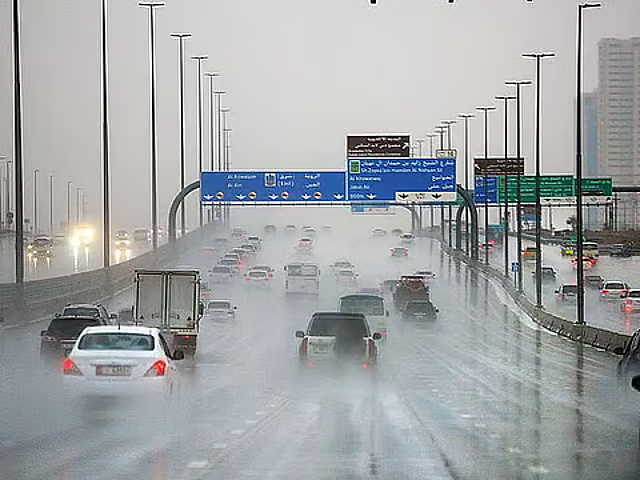
The UAE could see wetter-than-usual conditions during the coming months, with November marking the start of a period when seasonal rainfall patterns may become more noticeable across the country. The outlook is linked to the developing El Niño climate phenomenon, which meteorologists say could influence temperatures and precipitation through the 2026–27 winter.
The National Centre of Meteorology (NCM) has forecast the possibility of above-average rainfall and temperatures during the coming months. However, the seasonal outlook does not mean rain will fall every day or that every emirate will experience the same conditions.
For residents, the important distinction is between a seasonal prediction and a daily forecast. While the broader outlook can indicate a greater likelihood of rain, the timing, intensity and location of individual showers depend on the weather systems affecting the country.
Why could the UAE see more rain?
El Niño is a natural climate phenomenon involving warmer-than-usual sea surface temperatures in parts of the tropical Pacific Ocean. These changes can influence atmospheric circulation and shift weather patterns in different parts of the world.
In its seasonal outlook, the NCM has indicated that El Niño could contribute to above-average temperatures and rainfall in the UAE during the 2026–27 season.
The outlook covers a period extending beyond November. Reports published in October indicate that the NCM expects the phenomenon to influence conditions during the coming winter, with its effects potentially extending into early 2027.
However, El Niño does not determine the UAE’s weather on its own. Local and regional atmospheric conditions also influence cloud formation, wind patterns and the development of rain-bearing systems.
That means a wetter seasonal outlook should not be interpreted as a prediction of uninterrupted rainfall or widespread flooding.
Will it rain throughout November?
Not necessarily.
A seasonal forecast describes the likelihood of weather conditions over an extended period. It cannot establish exactly which days will bring rain to Dubai, Abu Dhabi, Sharjah or the northern and eastern emirates.
Individual rainfall events depend on the development and movement of weather systems. Conditions can also vary considerably between locations, with one area experiencing showers while another remains dry.
Residents planning outdoor activities, road journeys or trips to mountainous areas should therefore check short-range forecasts and official weather advisories rather than relying solely on the seasonal outlook.
The NCM’s daily bulletins provide more immediate information about expected cloud development, rainfall, wind speeds, visibility and sea conditions.
What about temperatures?
Rainfall is not the only factor in the seasonal outlook. Temperatures across the UAE could also remain above their usual seasonal averages during parts of the coming months.
The developing El Niño pattern has been identified as one influence on the broader outlook, although actual temperatures will vary according to local conditions and the weather systems affecting the country.
November generally marks a transition towards cooler weather in the UAE, but residents should not assume that the arrival of the cooler season will immediately bring consistently mild conditions.
Daytime temperatures, humidity and overnight conditions can differ between coastal areas, inland locations and mountainous regions.
The seasonal outlook provides a broad indication of possible conditions, not a guarantee that temperatures will remain above average every day.
What should UAE residents keep in mind?
For households, commuters and travellers, the most useful response to an uncertain weather outlook is to remain informed without assuming that severe conditions are inevitable.
Residents can take a few straightforward precautions when rain or unsettled weather is forecast:
- Check official forecasts: Follow updates from the NCM for the latest information about rainfall, winds, fog and visibility.
- Allow extra travel time: Rain and reduced visibility can affect driving conditions, particularly during busy commuting periods.
- Be careful around flooded roads: Never drive through standing or flowing floodwater when the depth and road conditions are uncertain.
- Review outdoor plans: Check the latest forecast before travelling to mountain areas, wadis or other locations where changing weather conditions may create additional risks.
- Follow official warnings: If authorities issue weather or safety instructions, follow their guidance rather than relying on unverified social media claims.
These are general precautions, not an indication that severe weather is expected in every location.
Is El Niño a warning of extreme weather?
No. El Niño can influence global and regional climate patterns, but its presence alone does not establish that a particular country will experience extreme rainfall, storms or flooding.
Meteorologists have cautioned against interpreting the UAE’s seasonal outlook as a prediction of inevitable severe weather. Rainfall depends on whether suitable atmospheric conditions develop and how individual weather systems interact.
The distinction matters because seasonal forecasts are most useful when interpreted alongside shorter-range updates. A broad outlook can help residents understand the direction of a possible seasonal trend, while a daily forecast provides more practical information about conditions expected in a specific location.
For November, the key development to watch is whether the forecast pattern translates into measurable rainfall across the UAE and how conditions evolve as the country moves further into winter.
The NCM’s updated forecasts and official advisories will provide the most relevant guidance as the month progresses.
1. Will the UAE experience more rain in November 2026?
The seasonal outlook indicates the possibility of above-average rainfall during the coming months. The amount and distribution of rain in November will depend on the weather systems that develop.
2. Why could rainfall increase in the UAE?
The developing El Niño climate pattern may influence regional weather conditions. However, rainfall also depends on local atmospheric conditions and the development of suitable weather systems.
3. Will it rain every day in November?
No such conclusion can be drawn from the seasonal outlook. Rainfall may occur intermittently, and conditions can differ between emirates and individual days.
4. Will Dubai and Abu Dhabi experience heavy rain?
The seasonal outlook alone cannot establish whether either city will experience heavy rainfall on a particular day. Residents should check the latest location-specific NCM forecasts and official warnings.
5. Does El Niño mean the UAE will experience flooding?
No. El Niño does not automatically mean flooding will occur. Flooding risk depends on factors including the amount and intensity of rainfall, local drainage and ground conditions.
6. Will the UAE have higher temperatures in November?
The seasonal outlook indicates the possibility of above-average temperatures during the coming months. Actual temperatures will vary by location and day.
7. How can residents check the latest UAE weather forecast?
Residents can consult the National Centre of Meteorology for official weather forecasts and warnings. Daily updates provide more immediate information than seasonal climate projections.
8. How long could El Niño influence UAE weather?
Reports published in October 2026 indicate that the phenomenon could influence UAE weather through the winter and into early 2027. The duration and local effects remain subject to updated climate assessments.
