
Strait of Hormuz Tensions Push Oil Higher as Gulf Flights Face Disruption
Oil prices climbed above $111 a barrel on Thursday, October 22, as fresh security incidents in the Gulf raised concerns about energy supplies and the risk of a wider regional conflict. Airlines also adjusted services to Saudi Arabia, leaving some UAE travellers facing cancellations and uncertainty over their journeys.
Brent crude futures rose by $2.82, or 2.59%, to $111.64 a barrel at 06:26 GMT, while US West Texas Intermediate gained $2.24 to $99.39, according to Reuters. The increase followed further attacks attributed to Yemen’s Iran-aligned Houthi movement in Saudi Arabia and reports of explosions in southern Iran.
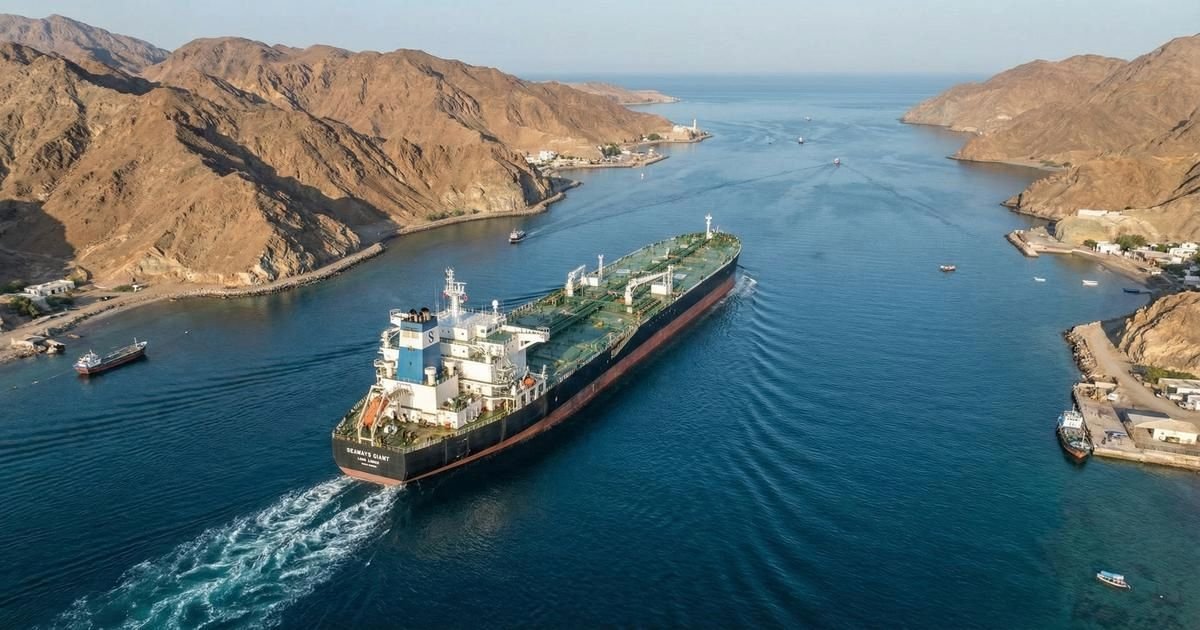
The developments put the Strait of Hormuz back in focus. The narrow waterway connects the Persian Gulf with the Gulf of Oman and the wider Indian Ocean, making it a critical route for international energy shipments.
For UAE residents, the immediate concern is regional travel. The wider impact could extend to shipping costs, fuel markets and the movement of goods if maritime security deteriorates further.
Reports of explosions and vessel incidents raise concern
Iranian media reported explosions in Sirik, in the southern province of Hormozgan, on Wednesday. The cause and origin of the explosions had not been established in the Reuters report published on Thursday.
Iran’s Islamic Revolutionary Guard Corps (IRGC) Navy separately claimed that four vessels involved in oil transfers in the northern Persian Gulf had been hit and caught fire. It also said three other vessels struck naval mines west of the Strait of Hormuz.
Those claims have not been independently established in the available reporting. The identities of the vessels, the full circumstances of the incidents and the extent of any damage require further confirmation.
The IRGC warned that continued US military activity could prompt a wider response against American bases in the region, according to Reuters. Such statements add to concerns about the security of commercial shipping, although threats alone do not confirm that further attacks will occur.
Trump rejects negotiations as diplomatic signals conflict
US President Donald Trump said Washington was not negotiating with Tehran and suggested that further developments could come soon, according to Gulf News’s October 22 report. His remarks came as tensions over maritime security and the possibility of renewed military action continued.
However, public statements from Washington and Tehran have offered different indications about the status of diplomacy.
CBS News reported on October 22 that Iranian Foreign Minister Abbas Araghchi said indirect negotiations with the US were continuing over a proposed seven-day ceasefire. The proposal had previously been rejected by Trump, while Washington was seeking additional conditions, according to the broadcaster.
The distinction matters: a denial of active negotiations by the US president does not, by itself, establish that all indirect communication through intermediaries has stopped.
The diplomatic position therefore remains unsettled. Until the parties confirm an agreement or a clear breakdown in contacts, reports of negotiations should be attributed to the officials making those statements.
Saudi flight disruptions affect UAE travellers
Travel between the UAE and Saudi Arabia is among the areas facing immediate disruption.
Gulf News reported on Thursday that Emirates and flydubai had cancelled certain services to Riyadh, Dammam and Abha, while Etihad had cancelled flights from Abu Dhabi to Riyadh, Jeddah and Dammam through October 24. The report also said Indian carriers Air India, Air India Express and IndiGo had suspended Saudi services through that date.
These schedules are time-sensitive and should not be treated as a guarantee that every flight on a particular route is cancelled. Travellers should check their individual booking and the latest airline advisory before leaving for the airport.
The disruption follows attacks affecting Saudi Arabia. Reuters reported that Houthi attacks on Wednesday killed at least one person and wounded eight at a civilian airport in Dammam, while a drone strike on a Saudi oilfield killed two people.
The reported incidents took place in Saudi Arabia, not the UAE. Their relevance to UAE residents lies in the interconnected nature of Gulf aviation and the possibility that changing security conditions could lead airlines to alter routes or schedules.
Why oil prices matter to the UAE
Oil markets react not only to confirmed interruptions in supply but also to the risk that major export routes could become more difficult or expensive to use.
The Strait of Hormuz is especially important because it is a key passage for crude oil and liquefied natural gas shipments from Gulf producers. Disruptions can affect tanker movements, insurance costs and the price buyers are willing to pay for energy.
The latest rise in crude prices does not automatically mean UAE petrol prices will increase immediately. Retail fuel prices depend on the relevant pricing arrangements, market conditions and the timing of any adjustment. Higher international energy and freight costs can, however, put pressure on transport and supply chains if elevated costs persist.
The US Energy Information Administration reported that US commercial crude inventories fell by 3.06 million barrels in the week covered by its latest figures, reaching 412.5 million barrels. The inventory decline added another market factor at a time of heightened geopolitical risk.
For businesses in the UAE, sustained disruption could also affect shipping schedules, freight expenses and the cost of imported goods. The scale of any effect will depend on the duration of the disruption and whether alternative transport routes can absorb additional demand.
What UAE residents should do now
For residents with upcoming travel, the most useful step is to rely on direct updates rather than general reports about regional conditions.
-
Check flight status: Confirm departure times, cancellations and rebooking arrangements with the operating airline.
-
Allow for changes: Check again before travelling to the airport, as schedules can change at short notice.
-
Follow official advisories: Use UAE government and emergency-service channels for local safety instructions.
-
Monitor reliable reporting: Distinguish confirmed incidents from claims by parties involved in the conflict.
The central question for the coming days is whether the incidents around the Gulf remain limited or lead to further disruption of commercial shipping and regional aviation. Oil prices, airline schedules and verified statements about diplomacy will provide important indications of how the situation develops.
What happened near the Strait of Hormuz on October 22, 2026?
Iranian media reported explosions in southern Iran, while Iran’s IRGC Navy claimed several vessels had been hit or damaged in separate incidents around the Gulf. The causes of the reported explosions and the full details of the maritime incidents had not been independently established in the available reporting.
Why did oil prices rise on October 22?
Oil prices increased amid renewed attacks in Saudi Arabia and concerns about wider regional escalation and energy supply disruption. Brent crude rose to $111.64 a barrel in morning trading reported by Reuters.
Are UAE flights to Saudi Arabia affected?
Gulf News reported cancellations involving certain Emirates, flydubai and Etihad services, alongside suspensions reported for some Indian carriers. Travellers should verify their particular flight directly with the airline because schedules can change.
Are Dubai and Abu Dhabi directly affected by the reported explosions?
The explosions discussed in the reports occurred in southern Iran, while the reported airport and oilfield attacks occurred in Saudi Arabia. The available sources do not establish that these incidents directly affected Dubai or Abu Dhabi, so local safety information should be taken from UAE authorities.
Has Donald Trump ended negotiations with Iran?
Trump said the US was not negotiating with Iran, according to Gulf News. However, CBS News reported that Iran’s foreign minister said indirect ceasefire discussions were continuing, leaving the public position on diplomacy unclear.
Could rising oil prices increase costs in the UAE?
Potentially, if higher energy, shipping and insurance costs persist. However, a rise in international crude prices does not automatically translate into an immediate change in UAE retail fuel prices.
What should UAE travellers do before flying to Saudi Arabia?
Check the flight status and any airline-issued travel advisory before leaving for the airport. Confirm rebooking arrangements directly with the airline if the service has been changed or cancelled.
Why is the Strait of Hormuz important to global trade?
It is a major maritime passage linking the Persian Gulf with the Gulf of Oman and the Indian Ocean. Disruption can affect energy shipments, tanker movements, freight costs and international oil markets.
