
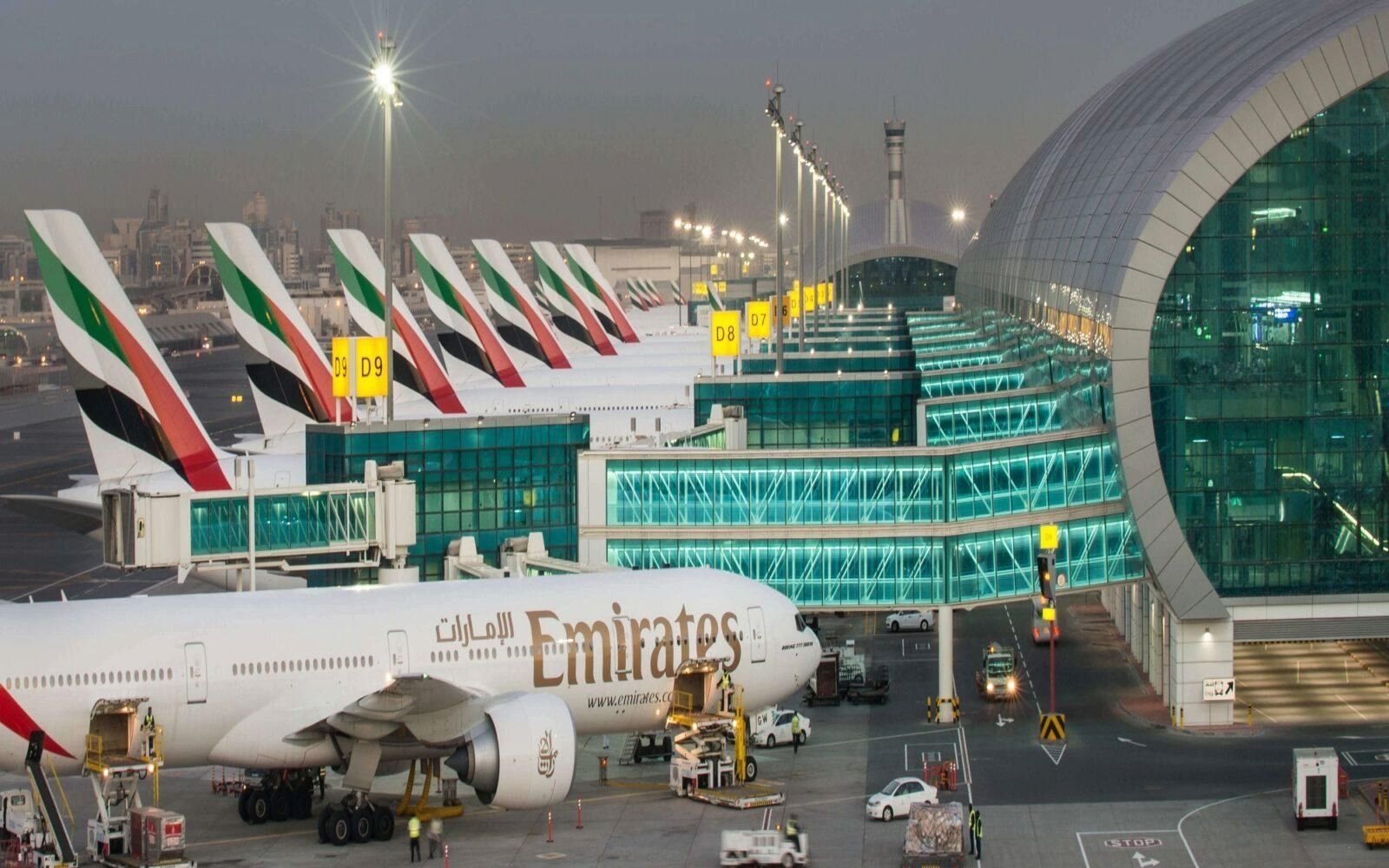
Dubai: UAE airports remain operational on September 22, but travellers are being advised to check their individual flight status before leaving for the airport as airlines continue to adjust some regional services amid the ongoing US-Iran conflict.
Dubai International Airport (DXB) and Zayed International Airport (AUH) continue to handle flights, although delays and cancellations have affected selected services. Emirates, Etihad Airways, flydubai and Air Arabia are all operating parts of their regional networks, while some routes have been changed or suspended.
The situation is also being closely watched at sea. Commercial traffic through the Strait of Hormuz has dropped substantially, and a tanker was struck by an unidentified projectile while making an inbound transit of the waterway on September 21. Two crew members sustained minor injuries, according to the UK Maritime Trade Operations (UKMTO).
For UAE residents, the immediate practical issue is not a general shutdown of air travel but the possibility of last-minute changes to individual flights and regional routes.
Flights continue, but schedules remain fluid
Emirates was continuing scheduled services to Bahrain and Kuwait, while Etihad maintained a number of services to Bahrain, Kuwait, Riyadh, Al Qassim and Medina. Some Etihad services, including Abu Dhabi-Dammam and Abu Dhabi-Jeddah, were delayed, according to the latest available operational update.
flydubai and Air Arabia have also reported selected cancellations affecting Gulf routes. Passengers travelling through Dubai, Abu Dhabi or Sharjah therefore face a route-by-route situation rather than a blanket suspension of UAE aviation.
The airlines’ live flight-status systems remain the most relevant source for individual passengers because schedules can change after a booking has been confirmed.
The US State Department continues to advise Americans to reconsider travel to the UAE because of terrorism and armed-conflict risks, citing the possibility of sudden flight disruption and security developments. That advisory is directed at US travellers and should not be interpreted as a UAE government travel order.
Hormuz traffic remains well below normal
The maritime picture is more constrained.
Reuters reported that only 17 commodity vessels crossed the Strait of Hormuz over the weekend, compared with 37 the previous week and a pre-war average of about 125 vessels a day. Some oil shipments are still moving, including vessels using ship-to-ship transfers and, in some cases, operating with tracking transponders switched off.
A separate Reuters report said shipping activity slowed further over the weekend, with five commodity vessels transiting on Saturday and none recorded on Sunday in Kpler data, compared with 31 over the previous weekend.
The waterway is particularly important to the UAE because it links Gulf energy producers with international markets. Disruptions can affect shipping schedules, marine insurance and freight costs, while prolonged pressure on energy routes can feed into wider commodity and logistics markets.
The UAE has already experienced direct maritime disruption during the conflict. In August, Abu Dhabi National Oil Company (ADNOC) confirmed that two of its vessels were attacked while transiting the Strait of Hormuz, with no injuries reported.
Latest tanker incident adds to maritime concerns
The September 21 tanker incident adds another security concern.
UKMTO said military authorities reported that a tanker conducting an inbound transit was struck by an unknown projectile. Two crew members suffered minor injuries, while the vessel continued towards its next port under its own power. There was no reported environmental impact at the time of the report.
The identity of the party responsible for the incident was not established in the initial maritime warning. That distinction is important as several competing claims and military actions are being reported across the region.
Meanwhile, US Central Command said on September 20 that its forces had redirected 109 commercial vessels as part of enforcement of the US blockade against Iranian ports.
At the same time, the Emirates News Agency reported that CENTCOM said US forces had facilitated the passage of more than 2,000 commercial vessels through the strait over the preceding period and had supported the transit of more than one billion barrels of crude oil over two months.
These figures describe different aspects of the maritime situation: vessels continue to move, but traffic is substantially constrained and subject to military and security restrictions.
What UAE travellers should do today
For people flying from the UAE on September 22, the most useful precaution is to verify the flight immediately before travelling to the airport.
Passengers should:
- Check the airline’s official website or app for the latest flight status.
- Reconfirm departure times even when a booking was previously confirmed.
- Allow additional time at the airport if the airline recommends it.
- Keep passports, essential medication and important travel documents in hand luggage.
- Follow airport and airline notifications rather than old schedules shared on social media.
- Check connecting flights separately, particularly when travelling through another Gulf airport.
The UAE Government advises travellers to check travel advisories and destination requirements before making travel plans, while its official travel services provide access to relevant government guidance.
For emergencies inside the UAE, the official government platform lists 999 for police, 998 for ambulance and 997 for fire and Civil Defence.
For now, the UAE aviation picture remains one of continued operations rather than a nationwide shutdown. The more immediate uncertainty is whether individual routes, particularly those linked to Gulf destinations or conflict-affected airspace, will change at short notice.
The maritime situation is less stable, with significantly reduced Hormuz traffic and another tanker incident adding pressure to an already disrupted regional shipping environment.
What is happening with UAE flights on September 22, 2026?
UAE airports including DXB and Zayed International Airport remain operational. However, selected regional flights have been delayed or cancelled, so passengers should check their individual flight status before travelling.
Are Dubai and Abu Dhabi airports closed?
No. The latest available information indicates that Dubai International Airport and Zayed International Airport are operating, although individual flights can be affected by changing regional conditions.
Are UAE flights to Iran operating?
UAE carriers’ flights to Iran remain suspended according to the September 22 operational update.
What is happening in the Strait of Hormuz?
Commercial traffic has fallen sharply, although some vessels continue to transit the waterway. Reuters reported substantially fewer commodity-vessel crossings than normal.
Was a tanker attacked in the Strait of Hormuz?
UKMTO reported that a tanker was struck by an unknown projectile on September 21, injuring two crew members. The vessel continued under its own power and no environmental impact was initially reported.
What should UAE travellers do before going to the airport?
Passengers should check their airline’s latest flight status, confirm departure times and allow extra time where advised. They should rely on official airline, airport and government information rather than unverified social-media posts.
Could Hormuz disruption affect UAE residents?
Prolonged disruption can affect shipping, insurance and energy markets and potentially raise logistics costs. The effect on individual consumers depends on how long the disruption continues and how supply routes respond.
