
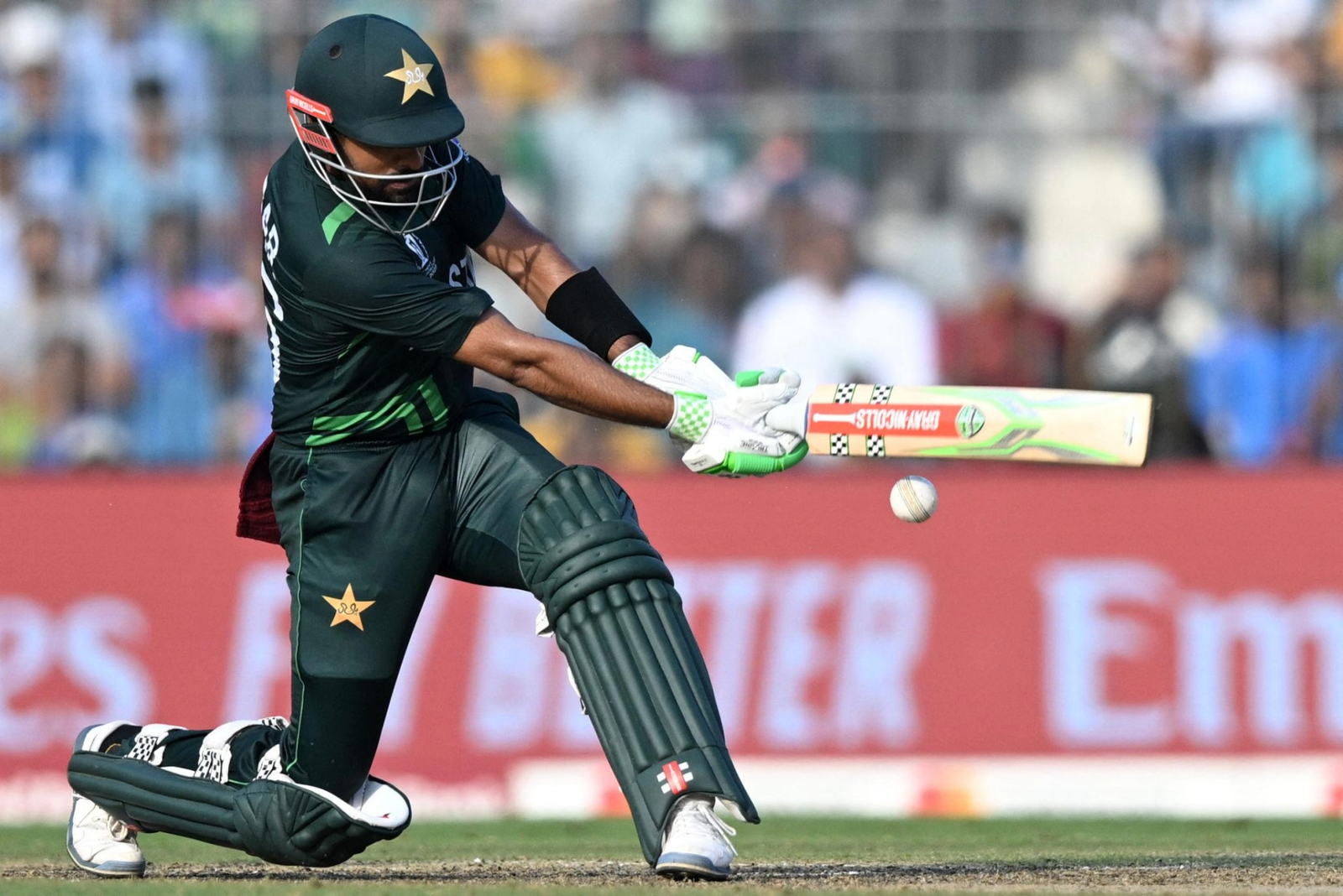
Pakistan wicketkeeper-batter Azam Khan has raised concerns about online harassment in cricket after revealing an abusive message he received from a supporter of former Pakistan captain Babar Azam. Speaking on the Backward Point Cricket Podcast, Azam described parts of Babar’s fanbase as toxic and criticised the way some supporters treat players on social media.
His comments centred on an incident during Pakistan’s tour of Ireland, when he was batting alongside Babar in an international match. According to Azam, a supporter sent a disturbing message to his Instagram account, threatening his family if he prevented Babar from reaching a century.
The incident, which Azam recalled during the podcast discussion, has brought renewed attention to the behaviour of cricket supporters online and the personal abuse players can face while representing their countries.
Azam Khan recalls abusive Instagram message
Explaining what happened during the Ireland match, Azam said Babar was batting on approximately 75 runs while Pakistan needed around 40 more runs.
He recalled receiving a comment on one of his Instagram pictures from someone who warned that his mother would die and his father would develop cancer if he stopped Babar from completing his century.
Azam described the message as an example of how far some supporters can go when their favourite players are involved in a match situation.
Rather than treating the incident as ordinary sporting criticism, his account highlighted the personal nature of the abuse. The message reportedly targeted his family over a possible outcome on the cricket field.
For professional cricketers, social media provides an opportunity to connect with supporters, share career updates and communicate beyond the ground. However, incidents like the one described by Azam demonstrate how these platforms can also become spaces for personal attacks.
Azam makes distinction between Babar and his supporters
Azam was careful to separate his criticism of the supporters from his opinion of Babar as a cricketer.
During the podcast, he said there was nothing wrong with Babar or his game but described the behaviour of his fanbase as toxic.
That distinction is important. His remarks were not an attack on Babar’s batting skills or achievements. Instead, they addressed the conduct of individuals who use abusive language when defending their favourite player.
Babar remains one of Pakistan’s most recognised cricket personalities, attracting considerable attention whenever he represents the national side. Strong public support can create an enthusiastic atmosphere around a player, but it should not prevent others from discussing performances or making independent sporting assessments.
Azam’s comments point to a wider problem in sports discussions: the difference between supporting a player and attacking someone who may disagree with an opinion about that player.
Social media abuse remains a challenge for cricketers
Online criticism is a familiar part of professional sport. Players are regularly assessed on their performances, selection decisions and contributions to their teams.
However, criticism becomes a different matter when it involves threats, family references or personal insults.
Cricketers are public figures, but that does not make personal harassment acceptable. An unsuccessful innings, a missed opportunity or a disagreement between teammates should not become a reason for threatening messages.
Azam’s account also reflects the pressure that can surround players in a country where cricket attracts passionate public interest. Supporters may have strong opinions about individual performances, but constructive debate and personal abuse are not the same thing.
The issue extends beyond the players themselves. Commentators, journalists and cricket analysts can also face hostile responses when they express opinions that do not match the expectations of certain supporters.
Azam’s remarks put fan behaviour in the spotlight
The Backward Point Cricket Podcast discussion has drawn attention to the relationship between Pakistan’s cricketers and their online audiences.
Azam’s experience raises a straightforward question about the boundaries of sports fandom: how should supporters respond when a player does not perform according to their expectations?
Following a cricketer closely does not mean agreeing with every decision or expecting teammates to prioritise individual milestones over the team’s result. Cricket remains a team sport, and individual centuries are only one part of a match.
Azam’s comments return the discussion to that basic distinction. Support for Babar Azam and criticism of abusive behaviour can exist at the same time.
His message was clear: the problem he described was not Babar’s cricket, but the conduct of certain people who claim to support him.
Q1. What did Azam Khan say about Babar Azam’s fanbase?
Azam Khan criticised the behaviour of some Babar Azam supporters, describing the fanbase as toxic because of abusive online interactions.
Q2. Why did Azam Khan criticise Babar Azam’s supporters?
He recalled receiving an abusive Instagram message from a supporter who threatened his family if he stopped Babar from scoring a century during a match in Ireland.
Q3. Did Azam Khan criticise Babar Azam’s cricketing ability?
No. Azam specifically clarified that his criticism concerned the supporters’ behaviour, not Babar’s cricketing ability.
Q4. Where did Azam Khan discuss the incident?
He discussed the experience during an appearance on the Backward Point Cricket Podcast.
Q5. What happened during the Ireland match?
Azam recalled batting alongside Babar when Babar was approaching 75 runs and Pakistan needed approximately 40 more runs.
Q6. What kind of abuse did Azam Khan receive?
He described an Instagram message threatening harm to his parents if he prevented Babar from completing a century.
Q7. What wider issue do Azam Khan’s comments highlight?
His comments highlight the difference between passionate cricket support and unacceptable online harassment directed at players.
