
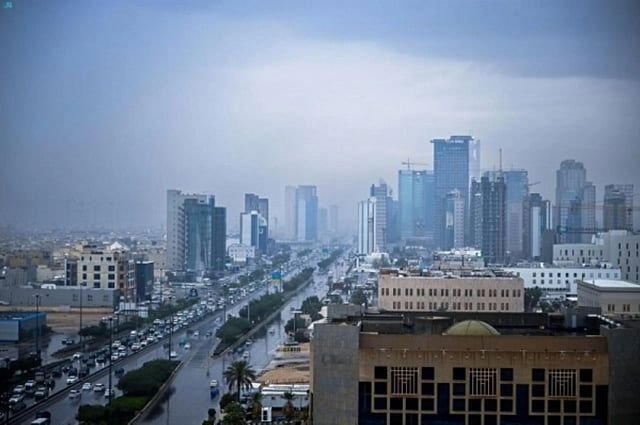
Saudi Arabia’s Civil Defence has issued a weather safety warning as thunderstorms and moderate to heavy rainfall are forecast across much of the Kingdom through Friday, October 30, with the potential for flash floods, hail and strong winds.
The advisory, reported by the Saudi Press Agency (SPA) on October 25, follows forecasts from the National Centre for Meteorology (NCM) covering several regions, including Makkah, Jazan, Asir, Al Baha, Madinah, Hail, Qassim, Tabuk, Al Jouf, the Northern Borders and the Eastern Province.
Civil Defence has urged residents to remain in safe locations, keep away from valleys and places where floodwater collects, and avoid swimming in floodwater. The public has also been asked to follow official weather alerts and safety instructions throughout the unsettled period.
Which Saudi regions are expected to receive rain?
The NCM’s forecast indicates that rainfall intensity will vary by location. Some areas may experience moderate to heavy thunderstorms, while other locations are expected to receive lighter rain.
The regions identified in the advisory include:
-
Makkah: Moderate to heavy rainfall, with the possibility of flooding and hail.
-
Jazan, Asir and Al Baha: Thunderstorms that could bring heavy downpours, hail and strong winds.
-
Madinah, Hail and Qassim: Rainfall that may affect local roads and visibility.
-
Tabuk, Al Jouf and the Northern Borders: Thunderstorms and possible flooding in affected areas.
-
Eastern Province: Rain is also forecast, although intensity may vary across the region.
These are forecast conditions, not confirmation that every location will experience severe weather. Residents should check the NCM’s location-specific warnings for the latest information.
Why flash flooding is a major concern
Heavy rainfall can cause water to accumulate rapidly in low-lying areas, valleys and natural drainage channels. Conditions can change quickly during thunderstorms, leaving motorists and pedestrians with little time to react.
The danger is not limited to locations experiencing the heaviest rain at that moment. Water can collect or flow into an area from elsewhere, making valleys and flood channels hazardous even when rainfall appears to have eased nearby.
The NCM has also warned of hail and strong downdraft winds associated with thunderstorms. These winds can raise dust and reduce horizontal visibility, creating additional risks for people travelling by road.
For drivers, poor visibility and water covering the road can make it harder to judge road conditions. Avoiding flooded routes and following instructions from local authorities are essential during periods of severe weather.
Safety advice for residents and motorists
Saudi Arabia’s Civil Defence has emphasised the need to stay in safe places and avoid areas where floodwater accumulates. Its advisory also specifically warns against swimming in floodwater.
-
Avoid valleys and flood channels. Do not enter these areas during heavy rain, even if the water initially appears shallow.
-
Never drive through floodwater. Water depth and road damage can be difficult to judge from inside a vehicle.
-
Watch for changing visibility. Dust, heavy rain and hail can make driving conditions hazardous.
-
Check official alerts before travelling. Review the latest NCM forecast and follow instructions from Civil Defence.
-
Stay in a safe location during severe weather. Avoid unnecessary journeys when heavy rain or thunderstorms affect the area.
-
Do not swim in floodwater. Follow the safety guidance issued by the authorities.
These precautions are particularly important for people travelling between cities or through rural and mountainous areas, where local conditions may differ from those in urban centres.
Where can residents check official weather updates?
The National Centre for Meteorology publishes daily forecasts and operates an early-warning system that lists weather alerts by region and governorate. Its warning system distinguishes between different alert levels, helping residents identify where caution or stronger precautions are required.
Residents should consult the NCM’s official weather forecast and early-warning system, alongside updates and instructions from the General Directorate of Civil Defence.
The forecast period extends through Friday, October 30, but the timing and severity of rainfall may differ between regions. The latest local alerts should take precedence over general forecasts when planning travel or outdoor activities.
For UAE readers travelling to Saudi Arabia, checking conditions for the specific destination and route is a sensible precaution. The current advisory does not, by itself, establish that the same weather warning applies to the UAE.
1. How long is Saudi Arabia’s weather warning in effect?
The Civil Defence advisory published on October 25, 2026, says thunderstorms are expected across most regions through Friday, October 30. Residents should check the latest official alerts for changes to local conditions.
2. Which regions of Saudi Arabia could experience heavy rain?
The forecast covers Makkah, Jazan, Asir, Al Baha, Madinah, Hail, Qassim, Tabuk, Al Jouf, the Northern Borders and the Eastern Province. Rainfall intensity will vary by location.
3. Is flash flooding possible in Saudi Arabia?
Yes. The NCM forecasts thunderstorms and moderate to heavy rain that could cause flooding in affected areas. Residents should avoid valleys and locations where water collects.
4. What other hazards could accompany the rain?
The forecast includes hail and strong downdraft winds that can raise dust and reduce visibility. These conditions may create additional hazards for road users.
5. What should drivers do during heavy rain in Saudi Arabia?
Drivers should avoid flooded roads and valleys, reduce unnecessary travel during severe conditions, and follow official safety instructions. They should never attempt to cross floodwater.
6. Where can residents check Saudi Arabia’s official weather alerts?
Residents can consult the National Centre for Meteorology’s daily forecast and early-warning system for updates by region and governorate.
7. Does this weather warning apply to Dubai and Abu Dhabi?
The advisory discussed in this article concerns Saudi Arabia. It does not establish that Dubai, Abu Dhabi or other parts of the UAE are covered by the same warning. UAE residents should consult the relevant UAE weather authorities for local forecasts.
8. Should travellers check the weather before driving between Saudi cities?
Yes. Conditions can vary along a route, particularly during thunderstorms. Travellers should check current alerts for their departure point, destination and route before setting off.
