

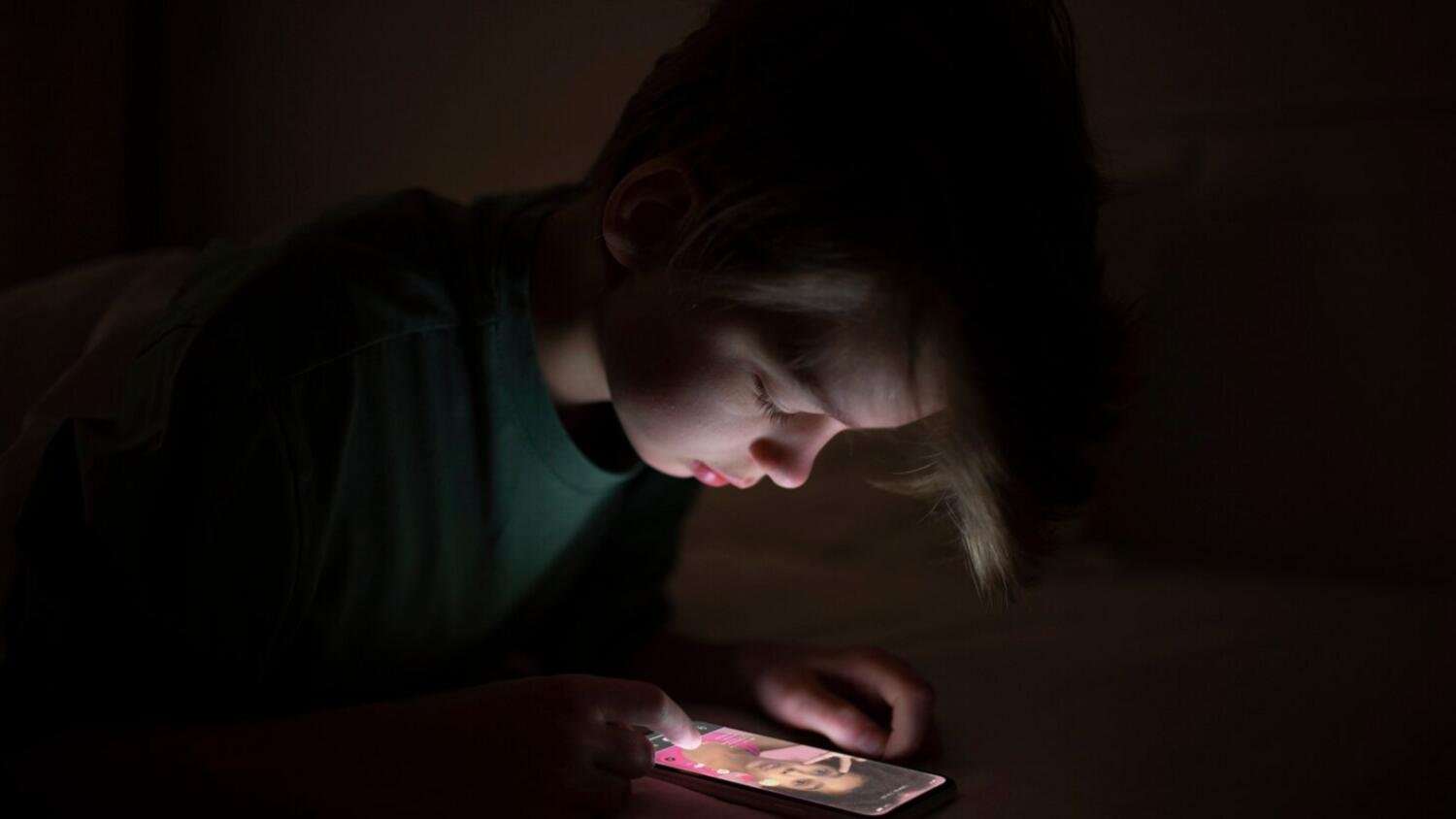
Joanne Hunter, a single mother, recalls the day she discovered her son’s online interactions spiralling out of control. The Irish expat, who raised her son in Madrid before moving to Dubai, recalls a boy who excelled academically, loved playing drums in his school band, and thrived in every sense of the word. “He was a straight-A student, academically brilliant, and deeply involved in extracurricular activities. Everything was perfect,” she says. But when he was handed his first smartphone at age ten, that idyllic picture began to blur.
What started as harmless digital curiosity quickly turned into a nightmare. Joanne discovered disturbing images on his Snapchat account—pictures from someone posing as a young girl, who turned out to be an adult man. “I nearly passed out. The thought of my child, so young and trusting, being exposed to something like this was devastating,” she says.

The gaming world was no better. Strangers online began manipulating her son, leading to aggressive outbursts at home and relentless demands for money. “He became super aggressive, wouldn’t sleep, and even locked himself in the bathroom one morning. I had to call the police,” she recalls. Despite therapy and counselling, Joanne’s struggles persisted, culminating in the decision to send him to boarding school in Ireland. “At one point, I even considered rehab. It was out of control.”
But what led to her son’s predicament? The constant scrolling, being glued to devices, and consuming social media—though seemingly harmless initially—resulted in a harmful dependency.
