
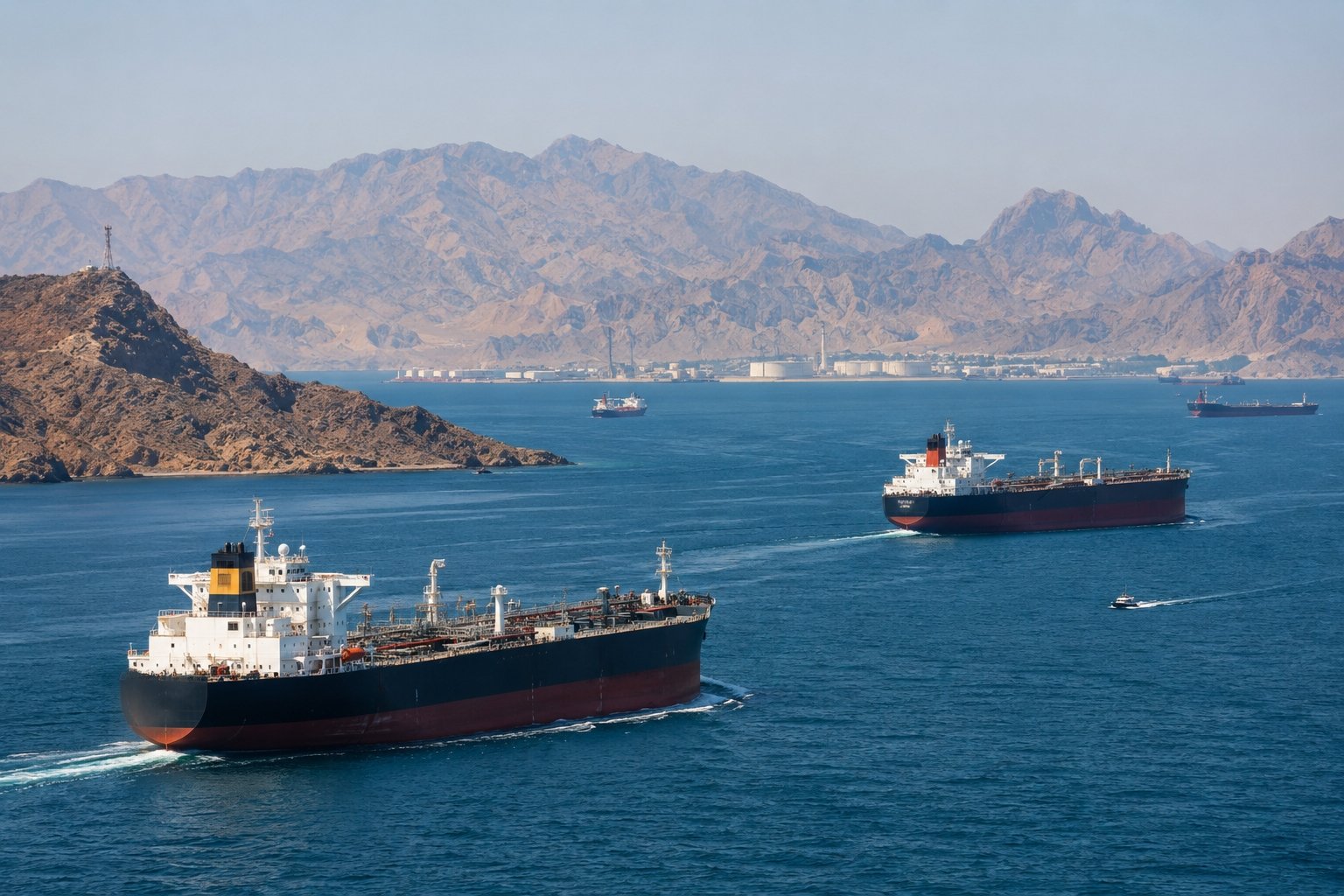
Dubai: The latest escalation in the US-Iran conflict is putting renewed attention on the Strait of Hormuz, one of the world’s most important energy and shipping routes.
Iran has threatened to establish a new maritime exclusion or restricted zone in the Gulf and warned that US warships and countries assisting Washington could face retaliation. Reuters reported on September 8 that shipping traffic through the Strait had already fallen sharply at the start of the week amid the threats.
For people living in the UAE, the developments do not automatically mean a disruption to everyday life. But the situation could have practical consequences if restrictions around the waterway persist, particularly for aviation, shipping, fuel markets and imported goods.
Why the Strait of Hormuz matters to the UAE
The Strait of Hormuz connects the Persian Gulf with the Gulf of Oman and the wider Arabian Sea. Its location makes it a critical route for international energy shipments.
The UAE has spent years developing infrastructure that provides alternatives to relying entirely on the Strait. ADNOC has been expanding pipeline capacity towards Fujairah, allowing some crude exports to bypass Hormuz. The company said in May that construction of a second pipeline was being accelerated to increase export capacity through Fujairah.
ADNOC has also previously confirmed that it can use export capacity that bypasses the Strait and international storage facilities to help maintain supplies during periods of disruption.
That provides the UAE with some resilience, but it does not remove the wider economic importance of keeping the waterway open.
What could UAE residents notice?
Travel remains one of the clearest areas to watch.
Airlines and airports can change schedules quickly when regional security conditions evolve. The UK’s current UAE travel advice warns of possible flight cancellations, periodic airspace closures and travel disruption amid continuing regional tensions.
Travellers should therefore check directly with their airline before leaving for the airport and avoid relying solely on an earlier itinerary or booking confirmation.
At present, airline booking systems continue to show flights operating on a number of UAE routes. That does not, however, guarantee that an individual flight will operate as scheduled if security or airspace conditions change.
Energy and fuel prices are another concern
Any prolonged reduction in oil and gas shipments through Hormuz could put additional pressure on international energy markets.
Reuters reported that reduced traffic through the Strait was already contributing to market volatility, with analysts adjusting oil-price expectations amid concerns about prolonged shipping disruption.
For UAE consumers, higher global energy and transport costs can eventually feed into areas such as fuel, logistics and the price of some imported products.
The effect on consumers would depend on the duration and scale of any disruption rather than simply on the announcement of a restricted zone.
Shipping and imported goods
The implications extend beyond oil.
A prolonged disruption around Hormuz could affect commercial vessels, insurance costs and shipping schedules. That can increase the time and expense involved in moving goods through the region.
The UAE has previously condemned attacks on commercial vessels travelling through the Strait and stressed the importance of freedom of navigation and uninterrupted international trade.
The UAE has also been developing alternative trade and energy routes to reduce its exposure to the chokepoint. Reuters reported on September 7 that the country was expanding alternative routes, including infrastructure connected with Fujairah, as regional tensions continued.
UAE security position
The regional situation remains fluid.
The UAE Ministry of Foreign Affairs said on August 31 that UAE air defence systems had intercepted a drone over UAE territorial waters and condemned what it described as a hostile Iranian attack. The ministry said the incident represented a serious escalation and a threat to the country’s security and territorial integrity.
The UAE has separately condemned attacks involving commercial vessels affiliated with ADNOC while transiting the Strait of Hormuz.
For residents, the practical message is to follow official UAE announcements and avoid relying on unverified social-media reports during rapidly developing incidents.
What should UAE travellers do now?
Residents planning international travel should:
- Check their airline’s flight status immediately before leaving for the airport.
- Allow additional time for possible operational changes.
- Monitor official airport and airline announcements.
- Keep important travel documents accessible.
- Check destination-country travel advisories.
- Avoid travelling to affected conflict areas unless essential and appropriately advised.
Foreign governments are also advising citizens to prepare for possible travel disruption. Spain’s UAE travel advice, current on September 8, says UAE airspace is open while recommending that travel be postponed until further notice.
What happens next?
The key issue for the UAE and the wider Gulf is whether the latest threats remain political warnings or develop into sustained restrictions on maritime traffic.
For now, the most important variables are the security of commercial shipping, the availability of alternative energy routes and any changes to regional airspace.
The situation can change quickly. UAE residents should rely on official government, airport and airline updates for immediate practical information rather than speculation circulating online.
What is happening around the Strait of Hormuz?
Iran has threatened additional restrictions around the Strait amid escalating tensions with the US. Reuters reported that shipping traffic through the waterway had declined as the latest threats increased uncertainty.
Does the situation affect UAE residents?
Potentially. The main areas to monitor are international flights, shipping, energy prices and the cost of imported goods.
Are UAE flights operating?
Flights continue to be available on various UAE routes, but schedules can change rapidly because of regional security conditions. Travellers should check their airline directly before travelling.
Is UAE airspace open?
Spain’s current travel advice for the UAE states that UAE airspace is open as of September 8, 2026, while advising against travel until further notice.
Why is the Strait of Hormuz important?
It is a major maritime route for energy shipments between the Gulf and international markets. Disruption can therefore affect oil prices, shipping costs and global trade.
Can the UAE export energy without using Hormuz?
The UAE has infrastructure allowing some exports to bypass the Strait, including pipelines connecting to Fujairah. ADNOC has been expanding this capacity.
What should UAE travellers do?
Check airline and airport updates before travelling, allow extra time and monitor official government advisories.
