The UAE is seeking to build on its success in attracting foreign investment by strengthening its position as a base for international financial activity, including asset management, private wealth and cross-border investment.
The country attracted a record $48.3 billion (AED 177.3 billion) in foreign direct investment in 2025, a 6% increase from the previous year, according to the UAE Ministry of Investment. The ministry’s July 2026 announcement said the country ranked ninth globally among destinations for inbound FDI.
The results reinforce the UAE’s position as an investment destination. The next challenge is to translate that appeal into a broader role in how international capital is managed, structured and deployed across markets.
UAE investment strategy looks beyond capital inflows
The UAE’s National Investment Strategy 2031 provides a framework for this ambition. Its targets include annual FDI inflows of AED 240 billion and an FDI stock of AED 2.2 trillion by 2031, according to government announcements.
Foreign direct investment refers to investment that establishes a lasting interest in a business or enterprise in another economy. It differs from portfolio investment, which typically involves holdings such as publicly traded shares and bonds without the same degree of control.
The distinction matters when assessing the UAE’s next phase of financial development. Attracting companies, factories, projects and international business operations is one part of the investment picture. Supporting institutions that manage funds, coordinate international holdings and oversee assets across jurisdictions represents a broader financial-services opportunity.
The Ministry of Investment’s mandate includes attracting foreign capital, supporting investment opportunities within the UAE and facilitating the international expansion of UAE companies. Its InvestUAE platform also seeks to connect international investors with opportunities and relevant expertise.
Dubai and Abu Dhabi are central to financial expansion
Dubai and Abu Dhabi have established financial centres that serve different businesses and investors.
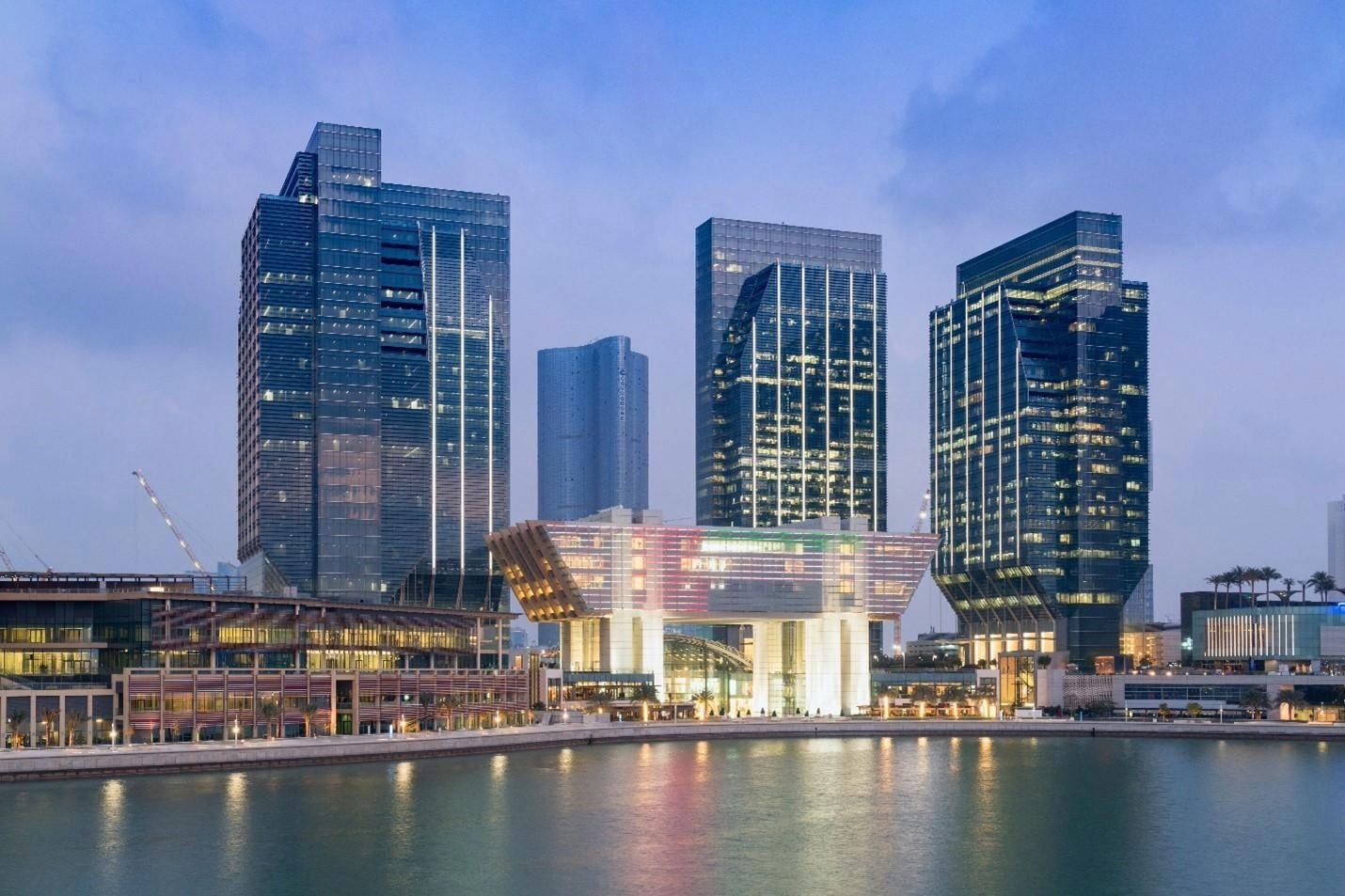
The Dubai International Financial Centre (DIFC) is a financial hub serving businesses across areas including banking, wealth management, asset management and professional services. Abu Dhabi Global Market (ADGM), based on Al Maryah Island and expanded to include Al Reem Island, provides another financial-services base for institutions operating in the UAE and international markets.
The source article published by Gulf News on October 20, 2026, cites growth in firms and wealth-related entities at DIFC, as well as expansion in ADGM’s assets under management and fund-management activity. Those figures provide an indication of the financial ecosystem’s development, although the individual statistics should be checked against the centres’ original annual reports before republication.
For investors, a financial centre’s value is not measured solely by the number of businesses registered there. Access to professional services, regulatory clarity, financial infrastructure and experienced advisers can also influence where firms establish operations and coordinate their activities.
A business based in Dubai or Abu Dhabi may have customers, shareholders, subsidiaries or investments in several countries. Managing those relationships can involve different legal systems, reporting requirements and tax rules.
This creates opportunities for financial and professional-services firms that can support international operations while meeting the requirements of the jurisdictions involved.
Cross-border wealth management becomes more complex
Private wealth is another area connected to the UAE’s ambitions. Family offices, investment firms and institutional investors may need to manage business ownership, investment portfolios, succession arrangements and assets spread across several countries.
These responsibilities go beyond selecting investments. Families and businesses must also consider governance, ownership structures, regulatory obligations and how wealth will be transferred between generations.
International financial centres can play complementary roles in these arrangements. A UAE-based investment team may coordinate decisions locally while working with advisers and regulated institutions in other jurisdictions.
However, the appropriate structure depends on the investor’s circumstances, the assets involved and the applicable legal and regulatory requirements. Establishing a UAE presence does not automatically remove obligations in other countries.
The growth of international wealth management therefore creates potential demand for specialised legal, accounting, fund-administration and investment services. The extent of that opportunity will depend on how effectively providers meet the needs of investors operating across borders.
What the UAE’s investment ambitions mean for businesses
The UAE’s expanding investment role could have implications for more than financial institutions. Companies seeking regional headquarters, international partnerships or access to new markets may benefit from a business environment designed to facilitate investment and cross-border activity.
For investors considering the UAE, the practical questions remain specific: which activities are permitted, what licences are required, which regulatory framework applies and how the proposed business will operate across jurisdictions.
The government’s investment strategy sets out national objectives, but individual opportunities still require due diligence. Investment inflows alone do not establish that every sector or asset class will deliver attractive returns.
The country is also competing with established financial centres around the world. Maintaining investor confidence requires more than attracting capital; it depends on the quality of regulation, access to skilled professionals, reliable infrastructure and the ability of financial institutions to serve international clients.
The UAE’s latest FDI results demonstrate the scale of capital entering the country. Whether it becomes an increasingly important base for managing and deploying global investments will depend on the continued development of its financial institutions, professional-services network and international business relationships.
Q1. How much foreign direct investment did the UAE attract in 2025?
The UAE attracted $48.3 billion (AED 177.3 billion) in FDI in 2025, a 6% increase year on year, according to the Ministry of Investment.
Q2. What is the UAE’s National Investment Strategy 2031?
It is the UAE’s long-term framework for increasing investment and strengthening the country’s position as a global investment hub. Its targets include annual FDI inflows of AED 240 billion and an FDI stock of AED 2.2 trillion by 2031.
Q3. What role does Dubai play in global investment?
Dubai provides a base for financial institutions and businesses involved in areas such as wealth management, asset management and banking. DIFC is one of the emirate’s principal financial centres.
Q4. What is Abu Dhabi Global Market (ADGM)?
ADGM is Abu Dhabi’s international financial centre. It provides a framework for financial and related businesses operating from Abu Dhabi.
Q5. What is the difference between FDI and portfolio investment?
FDI generally involves establishing a lasting interest in a business in another economy. Portfolio investment typically involves financial assets such as shares and bonds without the same level of ownership or control.
Q6. Why are family offices relevant to the UAE’s investment ambitions?
Family offices coordinate the financial affairs and investments of wealthy families. Their activities can include investment management, governance, succession planning and oversight of assets held across different countries.
Q7. Does the UAE’s FDI growth guarantee investment returns?
No. National FDI figures measure investment entering the country; they do not guarantee returns for individual investors or businesses. Investment decisions require independent financial, legal and regulatory due diligence.
Q8. Where can investors find official UAE investment information?
Investors can visit the UAE Ministry of Investment and its InvestUAE platform for information on investment opportunities, government initiatives and the country’s investment strategy.
