
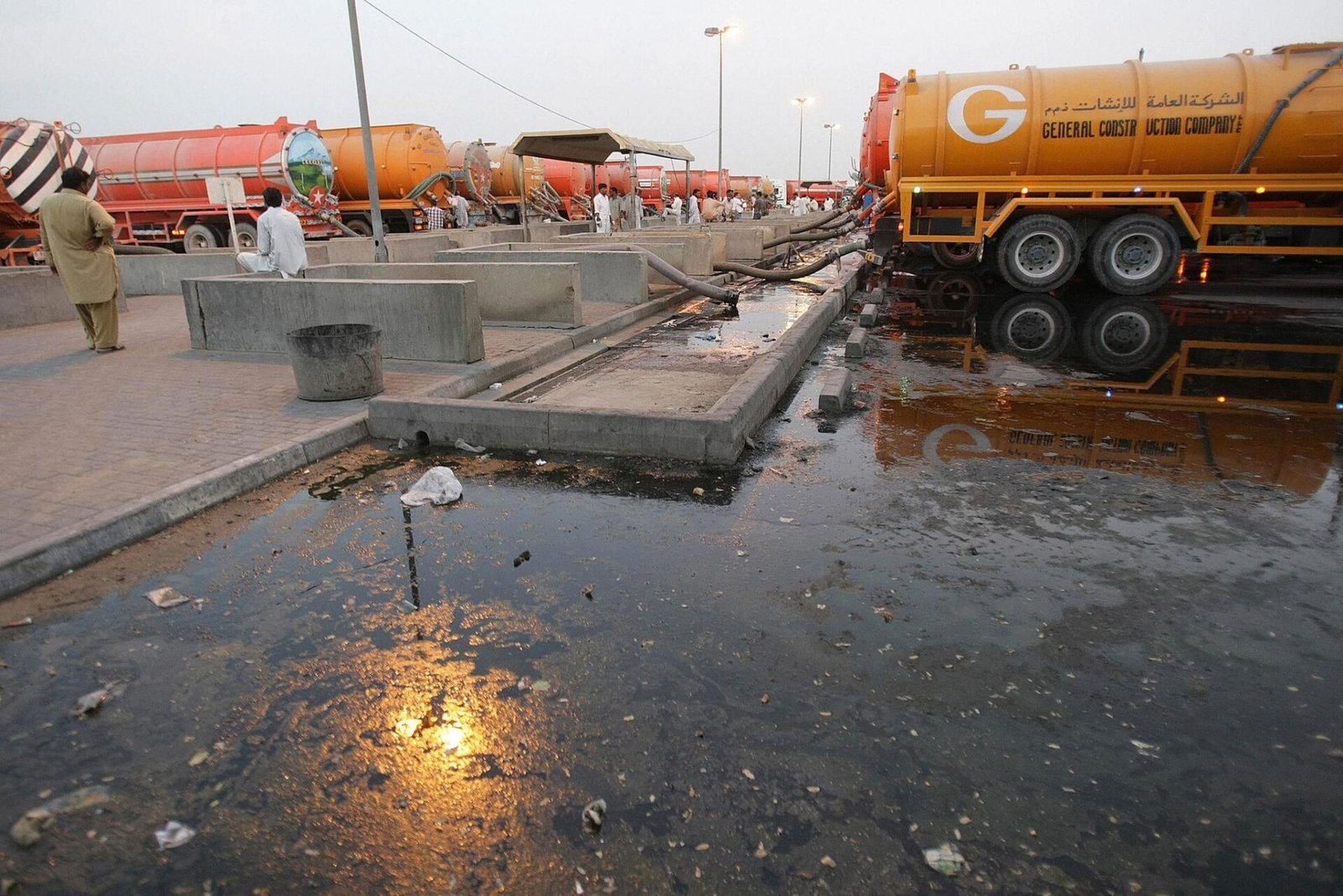
Dubai: Dubai Police have taken legal action against 18 suspects and seized 17 tankers following investigations into the illegal disposal of sewage, petrochemical waste and other harmful materials outside authorised disposal locations.
The cases were identified during the first six months of 2026 by the Environmental Crimes Section of the Economic Crimes Department, part of Dubai Police’s General Department of Criminal Investigation, according to a report published on September 25.
The enforcement operation was conducted in cooperation with Dubai Municipality and the Dubai Environment and Climate Change Authority.
Authorities said the suspects were found to have breached regulations governing the handling and disposal of waste. The tankers allegedly used in the violations were confiscated, while legal proceedings were initiated against the 18 suspects.
Waste must go to approved disposal sites
Dubai’s waste-management rules prohibit dumping, discharging or otherwise disposing of waste in public places or locations that have not been designated for that purpose.
Under Dubai’s Law No. 18 of 2024 regulating waste management, waste producers must transport waste to approved disposal sites using authorised vehicles. The law also places specific requirements on carriers handling hazardous waste, including using suitable vehicles, displaying warning signs and following approved procedures for loading, transportation and unloading.
The implementing regulations issued in 2026 further set requirements for waste-related activities, including permits, authorised carriers, disposal sites and technical standards for vehicles transporting solid and liquid waste.
For hazardous waste, the regulations require appropriate containers, labelling and safety measures designed to reduce the risk of leaks, chemical reactions and environmental contamination.
Why illegal disposal is treated as an environmental offence
Sewage and petrochemical waste require controlled handling because improper disposal can create risks for public health and the environment.
Dubai’s waste-management law gives Dubai Municipality responsibility for supervising and monitoring waste-management activities in the emirate, including setting requirements for waste producers, carriers and treatment facilities.
The law also states that waste-treatment activities must take place at locations designated by Dubai Municipality. Disposal sites themselves are subject to environmental, health, safety and operational requirements.
The latest police action follows a wider enforcement focus on unauthorised waste disposal in Dubai. In August, Dubai Municipality separately announced action against tankers caught disposing of wastewater at unauthorised locations, with violations carrying substantial penalties under the emirate’s public-cleanliness rules.
What happens next
The 18 cases have moved into the legal process. The available report confirms the suspects were referred for legal action, but does not provide final court outcomes or convictions.
That distinction is important: the people identified in the investigation should be regarded as suspects unless and until a court establishes criminal responsibility.
Dubai authorities have continued to invest in environmental monitoring and enforcement. Earlier this month, Dubai Police also showcased drones and satellite-linked technology designed to help detect and respond to marine pollution, including oil spills.
For businesses and waste carriers operating in Dubai, the rules underline the importance of using authorised transport arrangements and approved disposal facilities rather than disposing of waste at unauthorised locations.
What happened in Dubai’s latest waste-dumping case?
Dubai Police took legal action against 18 suspects and seized 17 tankers linked to the illegal disposal of sewage, petrochemical waste and other harmful materials.
When were the cases identified?
The cases were identified during the first six months of 2026.
Who investigated the cases?
The Environmental Crimes Section of Dubai Police’s Economic Crimes Department investigated the cases in cooperation with Dubai Municipality and the Dubai Environment and Climate Change Authority.
What types of waste were involved?
The reported cases involved sewage, petrochemical waste and other harmful materials.
Can waste be disposed of anywhere in Dubai?
No. Dubai’s waste-management law prohibits disposing of waste in public places or locations that have not been designated for waste disposal.
Who regulates waste management in Dubai?
Dubai Municipality is responsible for supervising and monitoring the implementation of Dubai’s waste-management law.
What are the rules for hazardous waste carriers?
Hazardous waste carriers must use authorised vehicles, follow safety procedures, display required warning signs and comply with requirements governing transportation and disposal.
Have the 18 suspects been convicted?
The available report confirms legal action against the suspects, but does not establish final court convictions.
