
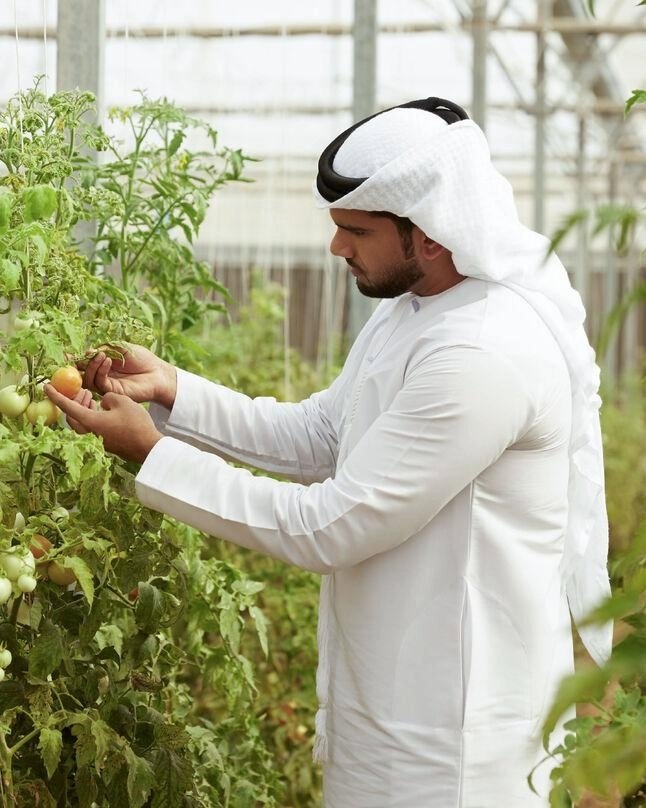
ABU DHABI: Inmates at Abu Dhabi’s correctional and rehabilitation centres will receive specialised training in sustainable agriculture under a new 12-month programme designed to build vocational skills and support their return to society.
The programme was established through a Memorandum of Understanding between the Abu Dhabi Judicial Department (ADJD) and Silal, the Abu Dhabi-based agri-food and technology company. The agreement was signed during Global Food Week 2026 at ADNEC Centre Abu Dhabi, which is taking place from October 6 to 8.
Rather than focusing only on classroom instruction, the initiative will give participants practical experience across different stages of crop production. Training will cover modern agricultural technologies, from seedlings and land preparation through to harvesting, alongside entrepreneurship skills.
Practical farming skills twice a week
The 12-month course will follow the “Farmer Field Schools” model, with sessions held twice a week under the supervision of Silal specialists.
Participants will learn about sustainable agricultural practices and gain hands-on knowledge that could be useful when seeking employment or pursuing agricultural activities after completing their sentences.
Those who complete the programme will receive accredited certificates, giving the training a formal qualification component rather than limiting it to practical experience.
The programme is intended to support rehabilitation by turning time spent in correctional facilities into an opportunity to develop professional capabilities. The ADJD said the initiative is aligned with its approach to restorative justice and the wider objective of helping inmates return to society as productive members.
Agriculture becomes part of rehabilitation efforts
The new programme builds on existing agricultural and vocational activity within Abu Dhabi’s correctional and rehabilitation system.
In July 2026, the ADJD showcased fresh dates grown at agricultural facilities operated by its correctional and rehabilitation centres during the Liwa Date Festival. The department said inmates were also involved in producing handicrafts, artworks and other products through vocational programmes.
That earlier initiative demonstrates that agricultural work is already being used within the emirate’s rehabilitation environment. The new partnership with Silal adds a more structured training programme focused specifically on modern farming knowledge and certification.
Abu Dhabi’s legal framework also places professional training and rehabilitation among the responsibilities of its correctional and rehabilitation centres. A law issued in 2024 states that the centres are responsible for providing education, professional training and rehabilitation programmes aimed at reintegrating inmates into the community.
Training linked to future employment
For participants, the employment element is important because the programme is not limited to learning how to grow crops.
The curriculum will also include entrepreneurship, potentially giving trainees knowledge that extends beyond farm-based employment. The accredited certificate is intended to provide evidence of the skills acquired during the programme.
The initiative also connects two Abu Dhabi priorities: vocational rehabilitation and agricultural development.
Silal has been expanding training and research programmes across the UAE’s agriculture and food sector. In June, the company announced a five-year collaboration with Dutch agricultural consultancy Delphy focused on advanced agricultural training and capacity building, including open-field and protected-crop cultivation.
Silal’s wider work includes agricultural research, technology and knowledge-transfer initiatives aimed at strengthening food production and food security in Abu Dhabi.
For the correctional system, the partnership provides access to specialist agricultural expertise. For participants, it creates a pathway to learn skills with potential relevance to the labour market after release.
The ADJD has previously pursued vocational programmes aimed at preparing inmates for employment. Abu Dhabi Police records, for example, document earlier rehabilitation initiatives that provided occupational and academic training designed to help inmates enter the workforce after completing their sentences.
The latest programme places sustainable agriculture at the centre of that approach, combining practical farm work, modern techniques and entrepreneurship within a year-long training structure.
What is the new Abu Dhabi inmates farming programme?
It is a 12-month agricultural training programme launched through a partnership between the Abu Dhabi Judicial Department and Silal. It is designed to provide inmates with practical farming, modern agriculture and entrepreneurship skills.
Who is running the programme?
The programme is being delivered through a partnership between the Abu Dhabi Judicial Department and Silal, an Abu Dhabi-based agri-food and technology company.
How long will the agricultural training last?
The programme will run for 12 months.
How often will inmates receive training?
Training sessions will be held twice a week under the supervision of Silal experts.
What will inmates learn?
The programme covers sustainable agriculture and modern farming technologies, including crop cultivation from seedlings and land preparation through harvesting. Entrepreneurship skills are also included.
Will participants receive certificates?
Yes. Participants who complete the programme will receive accredited certificates intended to support future employment.
Why is Abu Dhabi offering agricultural training to inmates?
The programme is intended to strengthen rehabilitation and help inmates develop vocational skills that can support their reintegration into society after completing their sentences.
Is agriculture already part of inmate rehabilitation in Abu Dhabi?
Yes. The ADJD has previously showcased dates produced at agricultural facilities within its correctional and rehabilitation centres and said such activities help develop inmates’ vocational and productive skill
