
UAE residents are entering another uncertain day as the US-Iran conflict continues to affect Gulf aviation, shipping and energy markets, with the Strait of Hormuz remaining a major pressure point.
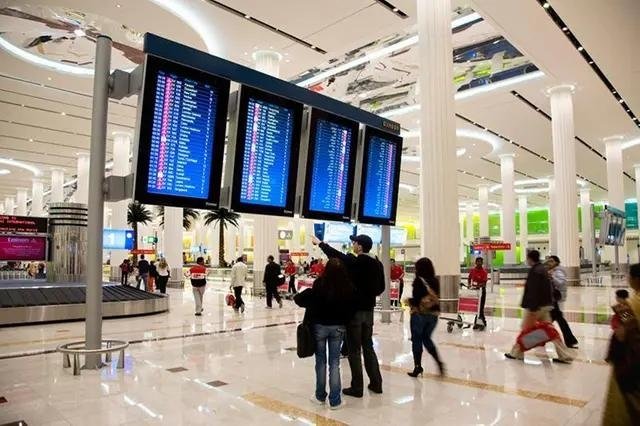
For people in the UAE, the most immediate practical issue is air travel. UAE airports remain operational, but airlines continue to assess regional airspace conditions and adjust routes when necessary. Travellers should therefore check their airline’s flight status before leaving for the airport rather than relying solely on their original itinerary.
The wider regional picture is also being shaped by oil prices, reduced commercial traffic through Hormuz, an attack-damaged Saudi oil pipeline and renewed diplomatic activity involving the United States, Gulf countries and Iran.
Flights remain a key concern for UAE travellers
The evolving security environment means passengers travelling through or near sensitive regional airspace can face changes at short notice.
Emirates currently provides live flight-status information through its website and advises passengers to check their flight details before travelling. The airline has also said it continues to monitor the regional situation and adjust operations where required.
For passengers with upcoming journeys, the practical steps remain straightforward:
- Check the airline’s official flight-status page before leaving home.
- Monitor SMS or email notifications from the airline.
- Allow additional time at the airport.
- Check for rebooking or rerouting information if a flight is disrupted.
- Avoid relying on older social-media posts for operational information.
The European Union Aviation Safety Agency has also maintained regional airspace warnings covering parts of the Gulf and several countries affected by the conflict. Its current advisory runs through September 30.
Oil prices remain above $100
Energy markets are another major concern for the Gulf.
Brent crude was around $103.70 a barrel on the morning of September 18, while West Texas Intermediate was around $100.90. Murban crude was trading near $121 a barrel, according to the market figures reported that morning.
Prices had moved closer to $110 earlier in the week as traders assessed the effect of attacks on energy infrastructure and disruption around key shipping routes.
The Saudi East-West oil pipeline is particularly important because it provides an alternative route for moving crude from the kingdom’s eastern production areas to Yanbu on the Red Sea. Repairs were under way after the pipeline was damaged in drone attacks.
US Energy Secretary Chris Wright said the disruption was expected to last days rather than represent a prolonged shutdown.
Why the Strait of Hormuz matters to the UAE
The Strait of Hormuz remains one of the most closely watched locations in the conflict.
The waterway links the Gulf with the Gulf of Oman and is critical to international energy shipping. Commercial traffic has fallen sharply during the current crisis, creating uncertainty for tanker operators, insurers, ports and companies dependent on regional imports.
The consequences for the UAE could extend beyond the oil sector if disruption continues.
Potential areas of pressure include:
- tanker movements
- marine insurance
- freight rates
- fuel costs
- imported goods
- port operations
- regional supply chains
That does not mean UAE consumers are facing a confirmed shortage of fuel or imported goods. The concern is that prolonged disruption could increase costs and complicate logistics.
Tanker incident reported near Oman
Iran’s state news agency IRNA reported on September 18 that Iranian forces had intercepted and detained the Togo-flagged oil tanker M/T Trend, alleging that it was attempting an illegal passage through the Strait of Hormuz.
The United Kingdom Maritime Trade Operations organisation confirmed a security incident northeast of Khasab, Oman, but did not provide details about the incident.
Because the circumstances remained developing, the tanker episode should be treated separately from confirmed broader disruptions to Hormuz traffic.
Drone incident reported in Saudi Arabia
Saudi authorities also reported a deadly drone-related incident in Taif.
Saudi Civil Defence said debris from an intercepted drone fell in the city, killing a Yemeni resident and injuring two other people. A Saudi woman and a Pakistani resident were among those injured, according to the reported information.
The incident demonstrates that the security effects of the conflict are not limited to maritime routes and energy infrastructure.
UAE continues to stress security and dialogue
The UAE’s public position has combined security concerns with diplomatic engagement.
UAE Presidential Diplomatic Adviser Dr Anwar Gargash said the country would pursue deterrence and defence of its sovereignty while maintaining dialogue with Iran.
The comments followed a meeting between Abu Dhabi Crown Prince Sheikh Khaled bin Mohamed bin Zayed Al Nahyan and Iranian President Masoud Pezeshkian on the sidelines of the BRICS summit.
For UAE residents, the diplomatic track matters because regional security developments can affect aviation, shipping, energy markets and business conditions even when there is no direct disruption inside the country.
What to watch next week
Diplomacy is expected to receive greater attention during the United Nations General Assembly’s high-level week in New York.
The UN’s 81st General Assembly general debate is scheduled for September 22-26 and September 28. World leaders and senior officials will gather for discussions covering international security and other major global issues.
US officials have also been preparing discussions with Gulf Cooperation Council countries, including the UAE, Saudi Arabia, Qatar, Bahrain, Kuwait and Oman.
The immediate situation remains fluid. For UAE residents, the most useful approach is to follow official airline and government updates for travel and security information, while watching oil and shipping developments for their potential effect on the wider Gulf economy.
What should UAE residents know about the Iran conflict today?
The main issues are flight operations, oil prices, shipping through the Strait of Hormuz and regional security. UAE airports remain operational, but travellers should check their airline’s latest status before travelling.
Are UAE airports open?
Yes, the available information indicates UAE airports remain operational. However, airlines may adjust routes because of changing regional airspace risks.
Should UAE travellers check their flights before going to the airport?
Yes. Passengers should check their airline’s official flight-status information and notifications before leaving for the airport.
What is happening to oil prices?
Brent crude was around $103.70 a barrel and WTI around $100.90 on the morning of September 18, while Murban was around $121, according to the market figures reported that morning.
Why is the Strait of Hormuz important?
The Strait of Hormuz is a critical maritime route connecting the Gulf with the Gulf of Oman and is heavily used for international energy shipments. Reduced commercial traffic can affect shipping, insurance, freight and energy markets.
What happened to Saudi Arabia’s East-West oil pipeline?
The pipeline was damaged in drone attacks and repairs were under way. The route is important because it allows Saudi crude to reach the Red Sea without relying entirely on the Strait of Hormuz.
What happened near Khasab, Oman?
The UK Maritime Trade Operations organisation confirmed a security incident northeast of Khasab. Iran’s state news agency separately reported that an oil tanker had been detained, but details surrounding the incident remained developing.
When is the next major diplomatic event?
The UN General Assembly’s high-level General Debate is scheduled for September 22-26 and September 28, 2026.
