
Sharad Navratri will begin on Sunday, October 11, 2026, bringing nine days of prayers, religious observances and festive celebrations dedicated to the different forms of Goddess Durga.
The nine-day festival will continue through Monday, October 19, with Vijayadashami/Dussehra following on October 20. India’s official tourism portal lists the Navratri period as October 11-19, while panchang calendars also place Dussehra on October 20.
For many families, particularly in Maharashtra and Gujarat, another part of the festival has become popular: wearing a particular colour on each day. The 2026 sequence starts with orange and moves through white, red, royal blue, yellow, green, grey, purple and peacock green.
Navratri 2026: Day-by-day colour calendar
| Day | Date | Colour |
|---|---|---|
| Day 1 | October 11, Sunday | Orange |
| Day 2 | October 12, Monday | White |
| Day 3 | October 13, Tuesday | Red |
| Day 4 | October 14, Wednesday | Royal Blue |
| Day 5 | October 15, Thursday | Yellow |
| Day 6 | October 16, Friday | Green |
| Day 7 | October 17, Saturday | Grey |
| Day 8 | October 18, Sunday | Purple |
| Day 9 | October 19, Monday | Peacock Green |
The sequence is based on the weekday on which Navratri begins. Since the first day in 2026 falls on a Sunday, orange starts the year’s nine-colour cycle.
Why do people wear different colours during Navratri?
The nine colours have become a popular cultural tradition during Navratri, particularly in western India. Women and men often incorporate the day’s colour into traditional outfits, accessories or festive clothing.
The practice is not a requirement for performing Navratri worship. It is better understood as a festive custom that has become particularly visible through community celebrations and social gatherings.
Navratri itself has a broader religious significance. India’s tourism ministry describes the festival as a period associated with the worship of different forms of Goddess Shakti, including Shailputri, Brahmacharini, Chandraghanta, Kushmanda, Skanda Mata, Katyayani, Kalaratri, Maha Gauri and Siddhidatri.
What happens during the nine days?
The first day, October 11, is associated with Ghatasthapana and worship of Maa Shailputri. The following days are traditionally associated with the other forms of Navdurga.
In the 2026 panchang calendar, the sequence includes Brahmacharini on October 12, Chandraghanta on October 13, Kushmanda on October 14, Skandamata on October 15, Katyayani on October 16 and Kalaratri on October 17. The final days are associated with Mahagauri and Siddhidatri.
There is some variation between calendars over the exact naming of tithis and the placement of Ashtami and Navami because Hindu festival dates are determined by lunar tithis and local sunrise calculations. For readers following a specific temple or family tradition, the local panchang should therefore take precedence for ritual timings.
What about Navratri celebrations in the UAE?
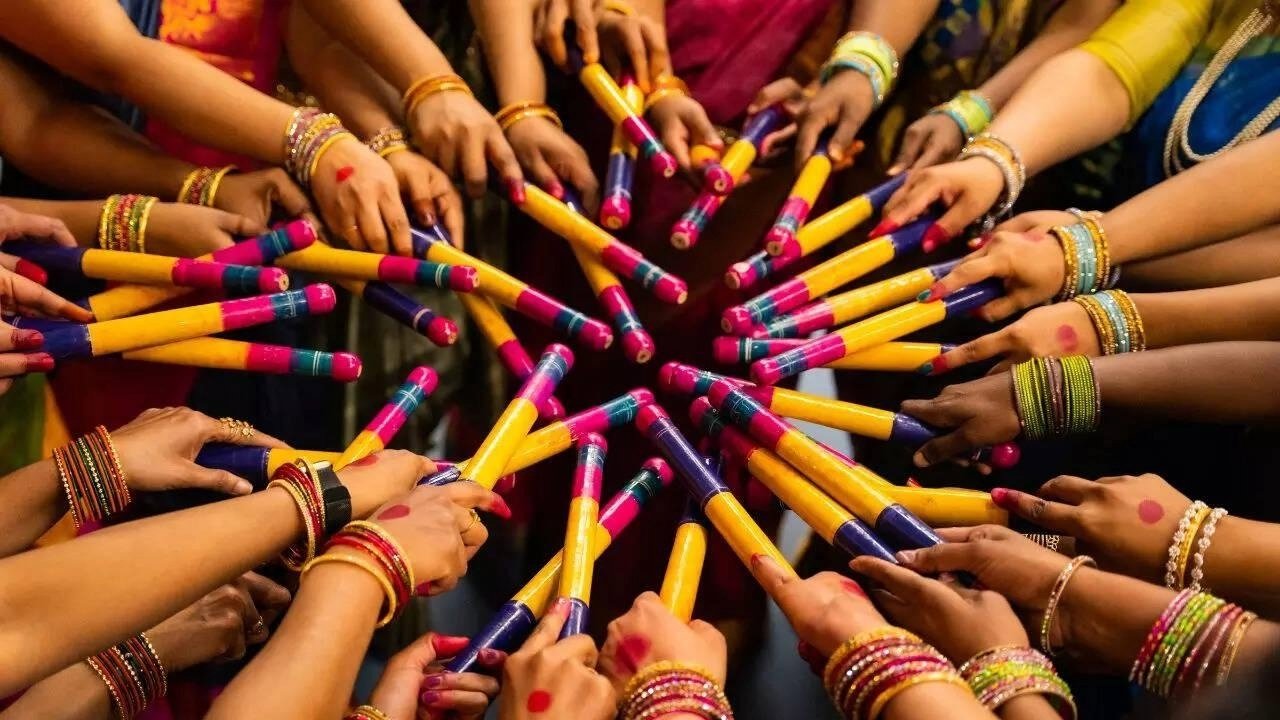
The festival is also observed by Indian communities in the UAE, where Navratri celebrations can include prayers, cultural programmes and Garba or Dandiya events.
The dates of the festival remain tied to the Hindu lunar calendar, although ritual timings can differ by location. For example, a Dubai-specific panchang gives local Ghatasthapana timings rather than using Indian timings directly.
For UAE residents planning their festive wardrobe, the 2026 colour sequence provides a simple guide: orange on October 11, white on October 12, red on October 13, royal blue on October 14, yellow on October 15, green on October 16, grey on October 17, purple on October 18 and peacock green on October 19.
There is no religious obligation to wear the designated colour. The tradition is primarily a way for communities, families, friends and workplaces to participate in the festive atmosphere.
When is Dussehra 2026?
Vijayadashami, also known as Dussehra, falls on Tuesday, October 20, 2026, following the nine-day Navratri observance.
The festival calendar can vary in its treatment of individual tithis between locations, so people observing specific religious rituals should check a local panchang or their temple’s schedule.
When does Navratri 2026 start?
Sharad Navratri 2026 begins on Sunday, October 11, 2026.
When does Navratri 2026 end?
The nine-day Navratri observance runs through October 19, followed by Vijayadashami/Dussehra on October 20.
What is the colour for Navratri Day 1 in 2026?
The Day 1 colour is orange.
What are the nine Navratri colours for 2026?
They are orange, white, red, royal blue, yellow, green, grey, purple and peacock green, in that order.
Why does the Navratri colour change each year?
The popular colour sequence is linked to the weekday on which Navratri begins, so the starting colour changes from year to year.
Is it compulsory to wear the Navratri colour of the day?
No. Wearing the designated colour is a popular festive custom rather than a requirement for Navratri worship.
When is Dussehra in 2026?
Vijayadashami/Dussehra falls on Tuesday, October 20, 2026.
Is Navratri observed in the UAE?
Yes. Indian communities in the UAE observe Navratri through religious and cultural activities, including Garba and Dandiya events. Local panchang timings should be checked for UAE-specific rituals.
