
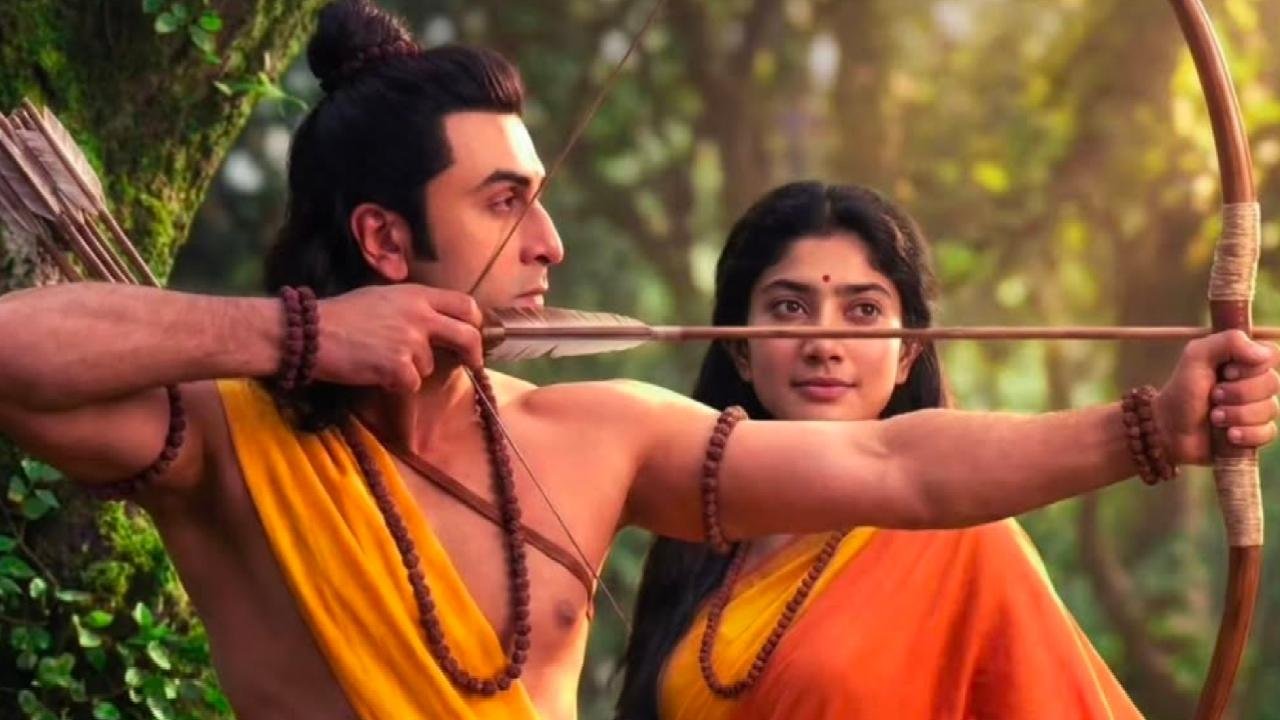
Lara Dutta has defended Sai Pallavi’s portrayal of Sita as a warrior in Nitesh Tiwari’s Ramayana, adding her voice to the growing discussion surrounding the film’s interpretation of the Hindu epic. The actor, who plays Kaikeyi in the film, believes the depiction is a reasonable creative interpretation rather than an unnecessary departure from tradition.
Speaking in an interview with NDTV, Dutta argued that audiences should remain open to different interpretations of the Ramayana. She pointed out that royal children in earlier times could have received training in arts and weaponry, suggesting that Sita may also have been familiar with combat.
Her comments come after scenes showing Sai Pallavi’s Sita using swords and fighting demons attracted criticism from some viewers following the film’s theatrical release.
Why Lara Dutta supports Sai Pallavi’s portrayal of Sita
Dutta believes Sita’s circumstances during the 14-year forest exile provide a reason to explore her strength and ability to protect herself.
She explained that someone living in challenging conditions would not necessarily remain dependent on others for protection. In her view, portraying Sita as capable of defending herself does not make the character less meaningful.
The actor also highlighted the different versions of the Ramayana that exist, suggesting that audiences should consider the wider storytelling traditions when judging the film’s creative decisions.
Dutta encouraged viewers to approach the production as a cinematic interpretation rather than expecting every scene to match the version they grew up watching.
What sparked the controversy around Sai Pallavi’s Sita?
The discussion gained attention after the film showed Sita taking an active role in combat.
In Nitesh Tiwari’s adaptation, Sai Pallavi’s character is shown using twin swords and archery while fighting demons alongside Rama and Lakshman during their forest exile. The film also depicts her teaching swordsmanship and combat skills to children and young people.
For some viewers, this portrayal represents a different understanding of a character traditionally associated with devotion, patience, sacrifice and spiritual strength.
Others have questioned whether such action sequences are consistent with the version of the epic they know, particularly the narrative associated with Valmiki’s Ramayana.
The disagreement has brought attention to a wider question: how much creative freedom should filmmakers exercise when adapting religious and culturally significant stories?
Mukesh Khanna questions the film’s interpretation
Veteran actor Mukesh Khanna has been among the prominent voices criticising the warrior portrayal.
Khanna, widely recognised for playing Bhishma in BR Chopra’s television adaptation of Mahabharat, questioned whether the scenes showing Sita fighting demons were supported by Valmiki’s Ramayana.
He argued that audiences familiar with traditional portrayals of Sita might find the new interpretation difficult to accept.
The criticism reflects the sensitivity surrounding adaptations of religious epics, where characters are not simply fictional personalities but also hold deep cultural and spiritual significance for many people.
The filmmakers’ reported explanation has pointed towards the Adbhuta Ramayana, a different retelling in which Sita takes on a powerful divine form and defeats Sahasra Ravana, a demon associated with a thousand heads.
This distinction matters because the Ramayana has been retold through different literary, religious and regional traditions over generations.
Sai Pallavi’s Sita brings a different interpretation to the screen
Sai Pallavi’s portrayal has become one of the talking points surrounding the film.
The actor has previously discussed the preparation involved in performing the sword-fighting sequences. In a conversation reported by The Indian Express, she explained that she trained for the action scenes with the film’s stunt team.
She also acknowledged that audiences have grown up with different versions of Sita, making the portrayal an interesting experience for a new generation.
The film also features Ranbir Kapoor as Rama, Ravi Dubey as Lakshman and Yash as Ravana. Lara Dutta appears as Kaikeyi, the queen whose decisions lead to Rama’s 14-year exile.
Dutta has also spoken about her own character’s background, describing Kaikeyi as a skilled horse rider and archer who grew up among brothers in the kingdom of Kekaya.
Her comments suggest that the film is exploring the strength and individual backgrounds of several women within the epic’s narrative.
A wider conversation about mythology and cinema
The discussion surrounding Ramayana goes beyond one action sequence. It reflects the expectations audiences bring to stories that have been passed down through generations.
For filmmakers, adapting an epic involves balancing familiar narratives with fresh visual storytelling. For audiences, however, even small changes to established characters can raise questions about authenticity and respect for tradition.
Sita’s portrayal has therefore become a point of debate about how Indian mythology can be presented to contemporary audiences while recognising the different interpretations that already exist.
With Lara Dutta defending the creative approach and criticism continuing from some viewers, the conversation around Sai Pallavi’s Sita is likely to remain part of the film’s wider public discussion.
Q1. Why did Lara Dutta defend Sai Pallavi’s portrayal of Sita?
Lara Dutta believes Sita could reasonably be portrayed as someone capable of defending herself. She also pointed out that different versions of the Ramayana allow room for creative interpretation.
Q2. Who plays Sita in Nitesh Tiwari’s Ramayana?
Sai Pallavi plays Sita in Nitesh Tiwari’s film.
Q3. Who does Lara Dutta play in Ramayana?
Lara Dutta portrays Kaikeyi, the queen whose decisions lead to Rama’s 14-year exile.
Q4. Why is Sai Pallavi’s warrior Sita controversial?
Some viewers have questioned scenes showing Sita fighting demons with swords and archery, arguing that the portrayal differs from their understanding of the traditional character.
Q5. What did Mukesh Khanna say about warrior Sita?
Mukesh Khanna criticised the action sequences and questioned whether the depiction was consistent with Valmiki’s Ramayana.
Q6. What is the Adbhuta Ramayana?
The Adbhuta Ramayana is a distinct retelling of the Ramayana tradition. It includes a powerful depiction of Sita taking a fierce divine form to defeat Sahasra Ravana.
Q7. Who stars alongside Sai Pallavi in Ramayana?
The film features Ranbir Kapoor as Rama, Sai Pallavi as Sita, Yash as Ravana, Ravi Dubey as Lakshman and Lara Dutta as Kaikeyi.
Q8. When was Ramayana Part One released?
The makers announced November 5, 2026, as the worldwide theatrical release date for Ramayana: Part One.
