
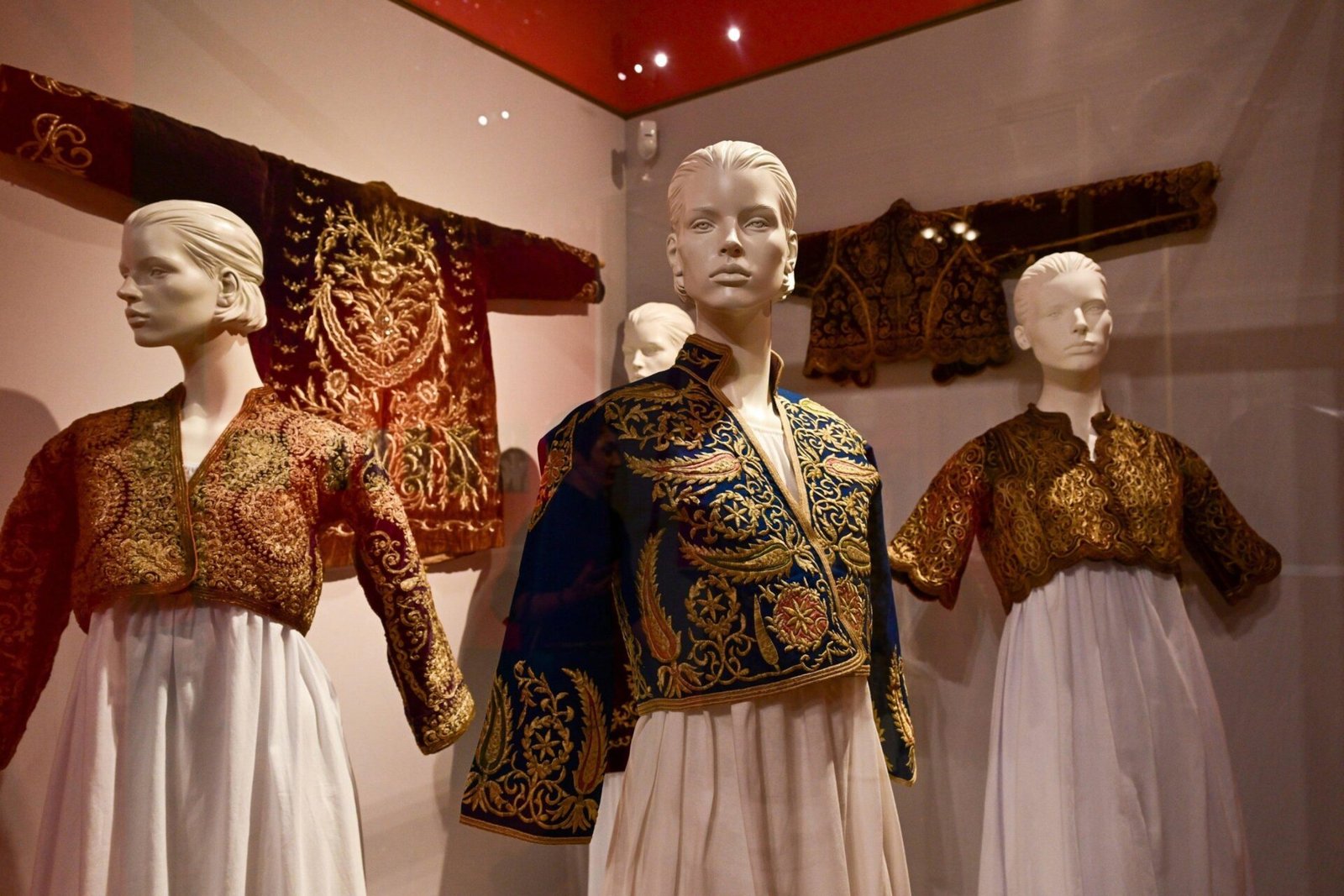
ABU DHABI: A collection of 236 artefacts documenting Ottoman and Anatolian bridal traditions has opened to visitors at Manarat Al Saadiyat, offering a closer look at the textiles, garments and customs associated with traditional Turkish weddings.
Titled Bridal Treasures: A Journey Through Ottoman and Anatolian Dowries, the exhibition brings together objects from collections held by Türkiye’s Maturation Institutes, which operate under the country’s Ministry of National Education. The exhibition opened in Abu Dhabi on October 20, 2026, under the patronage of Türkiye’s First Lady, Emine Erdoğan.
The display explores how wedding preparations have traditionally extended beyond clothing and accessories. Embroidered fabrics, decorative objects and household items also formed part of the dowry, reflecting regional artistic traditions and the work of generations of craftspeople.
For visitors in Abu Dhabi, the exhibition provides an opportunity to discover how family customs, women’s craftsmanship and cultural identity have been preserved through objects prepared for marriage.
What visitors can see at the exhibition
The 236 artefacts are arranged across nine categories, covering different aspects of Ottoman and Anatolian dowry traditions.
The collection includes bridal outfits and accessories, embroidered coverings, woven textiles, wooden objects and items associated with Turkish coffee ceremonies, traditional baths and religious practices.
The objects also demonstrate the variety of decorative techniques used in traditional Turkish craftsmanship. Embroidery featuring metallic threads, delicate needle lace and detailed textile work illustrate the skill involved in producing pieces that were often prepared and preserved for important family occasions.
Floral designs, including tulips and carnations, appear in the decorative traditions represented in the collection. Such details offer insight into the artistic influences that shaped Turkish textiles and household objects.
Rather than presenting wedding clothing in isolation, the exhibition places bridal traditions within a wider social setting. Everyday household practices, personal rituals and preparations for married life all form part of the story told through the objects.
Why the dowry tradition matters
The Turkish word çeyiz refers to a bridal trousseau or dowry — the collection of textiles, clothing and household belongings traditionally prepared for a bride.
These objects can carry significance beyond their practical use. Items made by mothers and other family members may preserve memories, regional styles and techniques passed from one generation to another.
The exhibition explores this connection between domestic life and cultural heritage, showing how women’s skills have helped maintain traditional arts over time.
For families, a bridal chest could represent years of preparation and careful handiwork. For cultural historians and visitors, the objects offer a way to understand the relationship between marriage customs, material culture and regional identity.
UAE and Türkiye strengthen cultural exchange
The Abu Dhabi opening brought together representatives from both countries. Those attending included Türkiye’s Minister of National Education, Yusuf Tekin; UAE Minister of State Noura Al Kaabi; and Abdullah Eren, president of the Turkish Cooperation and Coordination Agency, known as TİKA.
The exhibition is being held in collaboration with Abu Dhabi’s Department of Culture and Tourism and under the patronage of Emine Erdoğan.
The event also reflects the international reach of the collection. Before arriving in Abu Dhabi, the exhibition had been presented in New York and St Petersburg, Russia.
Its earlier appearances introduced Turkish dowry traditions to audiences outside Türkiye. The Abu Dhabi presentation expands that reach by bringing together a larger selection of artefacts from different parts of Anatolia.
For Abu Dhabi’s cultural calendar, the exhibition adds another opportunity for residents and visitors to engage with heritage through objects, traditional design and craftsmanship.
A closer look at traditional craftsmanship
The collection’s emphasis on embroidery, woven fabrics and decorative household pieces also draws attention to the work required to preserve traditional skills.
Many of the objects were created for specific family or ceremonial purposes. Their patterns, materials and finishing techniques can reveal differences between regional traditions, while their continued preservation helps keep those techniques visible to new audiences.
The exhibition offers a way to explore that heritage beyond the wedding ceremony itself, connecting clothing and household objects with the people who made them and the families who kept them.
Visitors interested in Turkish culture, historical textiles and traditional decorative arts can use the display to explore how personal customs become part of a wider cultural record.
Q1. What is the Bridal Treasures exhibition in Abu Dhabi?
It is an exhibition featuring 236 artefacts that explore Ottoman and Anatolian bridal traditions, including traditional clothing, embroidered textiles and household objects.
Q2. Where is the exhibition being held?
The exhibition is being held at Manarat Al Saadiyat in Abu Dhabi.
Q3. When did the exhibition open?
The exhibition opened on October 20, 2026.
Q4. How many artefacts are on display?
The Abu Dhabi exhibition features 236 artefacts arranged across nine categories.
Q5. What can visitors see at the exhibition?
Visitors can explore bridal garments, accessories, embroidered fabrics, woven textiles, wooden objects and items associated with traditional Turkish coffee ceremonies and baths.
Q6. Who organised the exhibition?
The collection was prepared using artefacts from Türkiye’s Maturation Institutes, which operate under the country’s Ministry of National Education. The Abu Dhabi exhibition was organised in collaboration with the Department of Culture and Tourism – Abu Dhabi.
Q7. What does the Turkish dowry tradition represent?
The çeyiz, or bridal trousseau, traditionally includes clothing, textiles and household belongings prepared for marriage. These objects can reflect family memories, regional craftsmanship and traditions passed between generations.
Q8. Is the exhibition free to visit?
A separate event listing reports free public admission. Visitors should confirm the latest admission arrangements and opening hours with the venue before travelling.
