
A two-year-old child with a rare inherited immune disorder has successfully undergone an urgent bone marrow transplant in Abu Dhabi, with his mother providing the stem cells despite being only a half match.
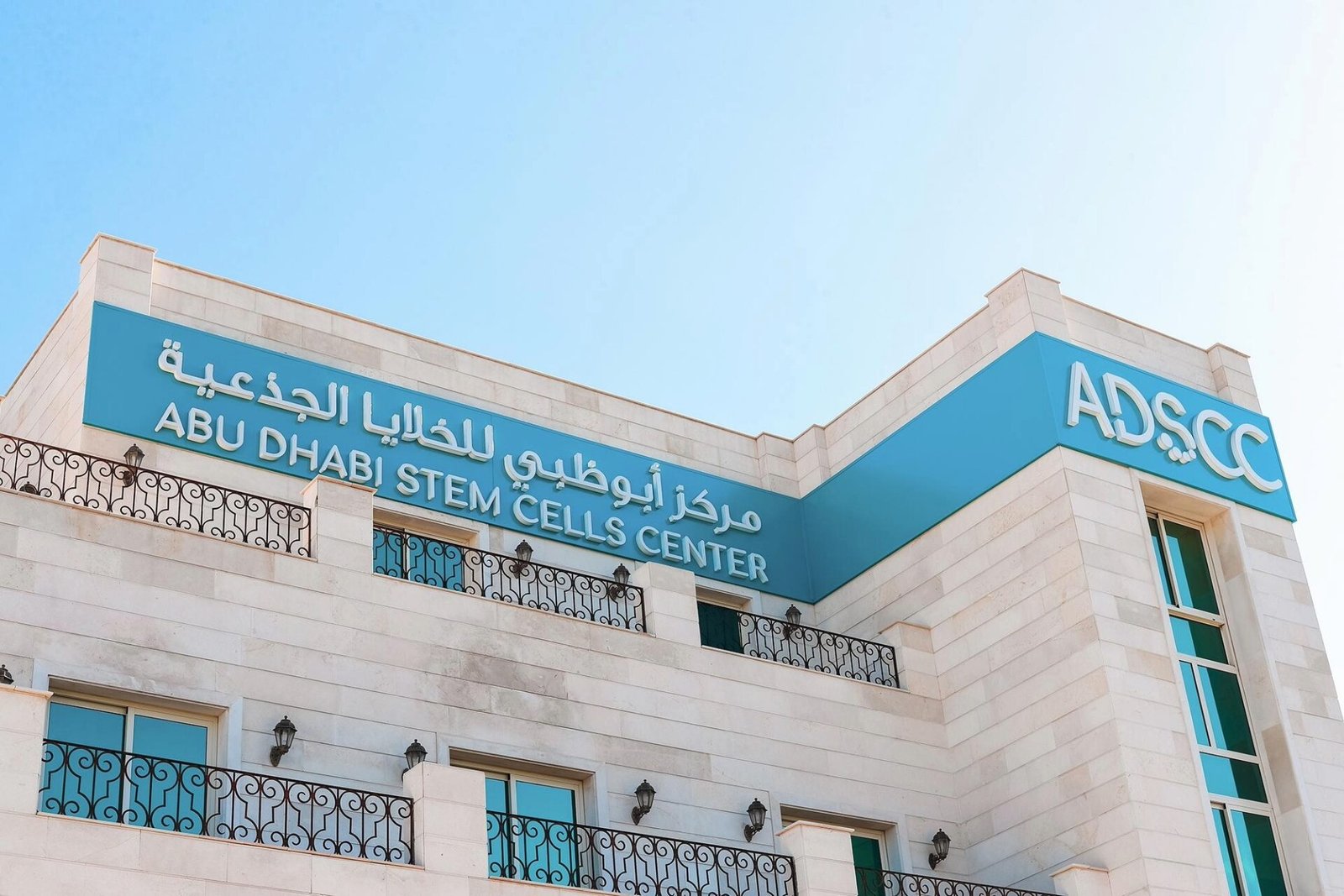
The procedure was carried out by Yas Clinic Khalifa City in partnership with the Abu Dhabi Stem Cells Center (ADSCC) under the Abu Dhabi Bone Marrow Transplant Programme. The child, identified in the medical case as Kai, was diagnosed with Hyper-IgM Syndrome after developing severe and recurrent infections early in life.
Doctors said his condition eventually required intensive care and respiratory support. He also developed cytomegalovirus (CMV) infection affecting the blood and lungs, as well as Pneumocystis pneumonia, a serious infection that can affect people with severely weakened immune systems.
Mother identified as a half-matched donor
After treatment for the infections, the child continued to require monthly immunoglobulin replacement therapy. He also needed blood and platelet transfusions, while his immune system failed to recover adequately.
With the risk of further serious infections remaining high, the medical team determined that a bone marrow transplant was urgently needed.
Testing identified the child’s mother as a haploidentical donor, meaning she was a partially matched donor rather than a fully matched one. Doctors proceeded with the transplant after stabilising the child and managing the complications associated with his condition.
A haploidentical transplant can allow a close family member who shares only part of the patient’s tissue type to provide the stem cells when a fully matched donor is unavailable or unsuitable.
Child shows signs of recovery
The transplant was successfully completed, and doctors reported that the donor cells had begun to engraft and function.
According to Yas Clinic and ADSCC, the child’s condition has gradually improved and he currently shows no signs of active infection. He is described as clinically stable and preparing to return home with his family.
Dr Maysoon Al Karam, Chief Medical Officer at Yas Clinic Khalifa City, said the case required specialist expertise, appropriate infrastructure and the ability to respond quickly as the child’s condition changed.
Dr Mansi Sachdev, consultant in paediatric haematology, oncology and bone marrow transplantation and the child’s treating physician, said the child had developed serious infections from an early stage of life and that an urgent transplant became necessary when his immune system did not recover adequately.
What is Hyper-IgM Syndrome?
Hyper-IgM Syndrome refers to a group of rare inherited immune deficiencies that interfere with the body’s ability to produce a normal antibody response.
Children affected by the disorder can be particularly vulnerable to repeated and potentially serious infections because their immune systems cannot protect them effectively.
For eligible patients, a bone marrow or blood stem-cell transplant can replace the affected blood-forming immune system with donor-derived cells. The treatment is complex and requires specialised transplant and supportive care.
Abu Dhabi’s transplant programme
The treatment was conducted through the Abu Dhabi Bone Marrow Transplant Programme at Yas Clinic Khalifa City, in partnership with ADSCC.
The programme provides specialised transplant care for conditions including immune deficiencies, rare genetic diseases and other complex blood-related disorders. The case adds to recent reports of paediatric bone marrow transplantation in Abu Dhabi involving children with severe inherited immune conditions.
The latest case demonstrates how a partially matched parent can provide a potential donor option in an urgent paediatric transplant when a fully matched donor is not available.
For the two-year-old, doctors say the transplant has begun to restore immune function, with the child now clinically stable and preparing to return home.
What happened to the two-year-old child in Abu Dhabi?
A two-year-old with Hyper-IgM Syndrome underwent an urgent bone marrow transplant at Yas Clinic Khalifa City in partnership with Abu Dhabi Stem Cells Center. His mother was the half-matched donor.
What is Hyper-IgM Syndrome?
Hyper-IgM Syndrome is a group of rare inherited immune deficiencies that impair the body’s normal antibody response, increasing vulnerability to recurrent and serious infections.
Who donated the bone marrow?
The child’s mother was identified as a half-matched, or haploidentical, donor and provided the stem cells used for the transplant.
Why was the transplant considered urgent?
The child had experienced serious infections and continued to have inadequate immune recovery, blood and platelet transfusion requirements and a high risk of further complications.
How is the child doing after the transplant?
Doctors reported that the donor cells have begun to engraft and function. The child is clinically stable and currently has no signs of active infection, according to the medical team.
What does haploidentical donor mean?
A haploidentical donor is a partially matched donor, typically a close family member, who shares only part of the patient’s relevant tissue type. This can provide a transplant option when a fully matched donor is unavailable.
Where was the transplant performed?
The treatment was carried out at Yas Clinic Khalifa City in partnership with the Abu Dhabi Stem Cells Center through the Abu Dhabi Bone Marrow Transplant Programme.
