
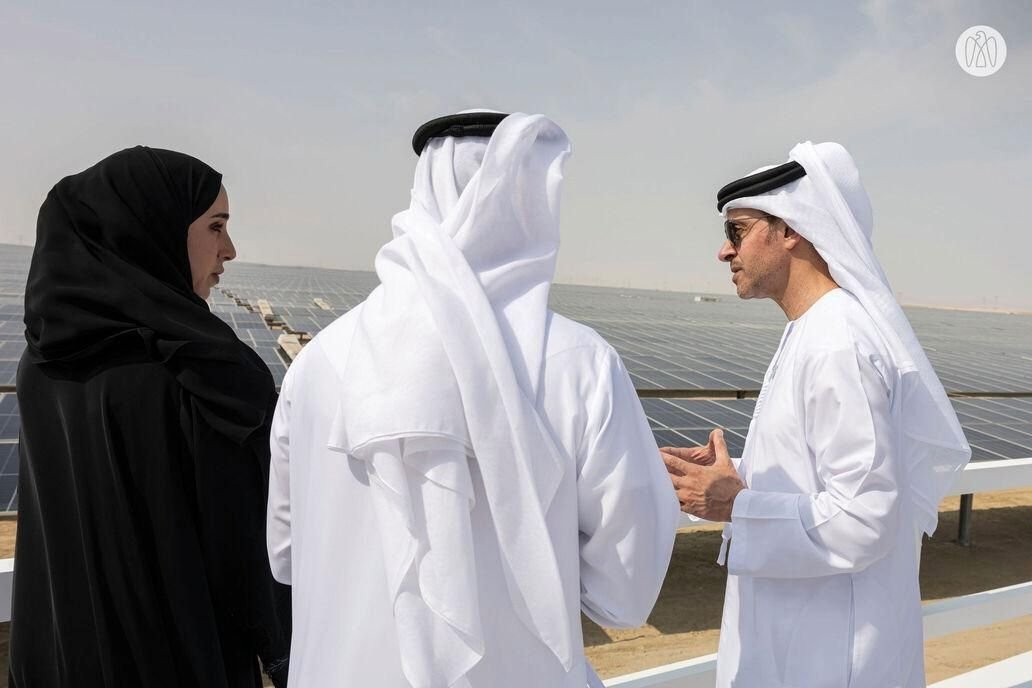
ABU DHABI: Abu Dhabi’s approach to the future of energy is extending beyond electricity generation to include water security, technology, efficiency and the resilience of essential infrastructure.
The emirate’s Department of Energy (DoE) is responsible for regulating a broad energy sector covering electricity, gas, petroleum, water production and desalination, as well as energy and water efficiency initiatives.
That wider mandate is increasingly reflected in Abu Dhabi’s policy approach, where energy and water systems are being considered together rather than as separate areas of infrastructure.
Recent comments and initiatives from the Department of Energy have placed particular emphasis on resilience, diversification of resources, efficient consumption and long-term planning.
From energy security to system resilience
The distinction between having resources and having a resilient system has become an important part of Abu Dhabi’s energy and water strategy.
During World Water Week 2026 in Stockholm, Department of Energy Chairman Dr Abdullah Humaid Al Jarwan said Abu Dhabi has more than 50 years of experience in building a resilient water system based on diversified sources, efficient resource use, governance and innovation.
The department also presented the Abu Dhabi Water and Energy Resilience Framework, which brings together policy, regulation, infrastructure planning and innovation.
The framework reflects a broader objective: maintaining reliable essential services while preparing infrastructure for changing demand and future pressures.
Clean energy remains a central part of the transition
Abu Dhabi’s energy transition has also been supported by large-scale solar and nuclear projects.
In a 2023 interview, then-Department of Energy chairman Awaidha Murshed Al Marar outlined Abu Dhabi’s plans to expand clean-energy generation through solar, nuclear power, hydrogen and other technologies. He said the emirate was pursuing a diversified transition rather than relying on a single energy source.
The department’s earlier clean-energy framework set a target for 60% of Abu Dhabi’s electricity to come from clean and renewable sources by 2035, according to the department’s published material cited in the interview.
Solar power has become a major component of that strategy, alongside nuclear generation from the Barakah plant.
Technology is becoming part of energy planning
Technology is another element of Abu Dhabi’s approach.
The Department of Energy has previously highlighted the use of artificial intelligence, digital systems, data and geospatial tools to improve energy and water management. Its initiatives have included platforms designed to support licensing, energy and water analysis and socioeconomic assessment of policy choices.
The objective is not simply to add technology to existing infrastructure but to use data and digital tools to improve how systems are monitored, regulated and planned.
This is particularly relevant as electricity demand evolves alongside industrial development, transport electrification and the expansion of digital infrastructure.
Water and energy are closely connected
Abu Dhabi’s water system is heavily linked to its energy system because desalination is a major source of potable water.
That relationship makes efficiency increasingly important. The Department of Energy has described resource efficiency as an important component of water resilience, while its regulatory responsibilities cover both electricity and water activities.
At World Water Week 2026, the department presented Abu Dhabi’s experience with source diversification, governance and innovation as part of a wider discussion about how regions can strengthen water resilience.
What comes next for Abu Dhabi’s energy system?
The direction of policy points towards a more interconnected system in which energy generation, water security, transport, technology and economic development are considered together.
For Abu Dhabi, the challenge is not simply expanding supply. It also involves ensuring that infrastructure remains reliable, efficient and adaptable as demand changes.
The Department of Energy’s current work therefore spans regulation as well as long-term planning, investment, efficiency and resilience.
Abu Dhabi’s energy story is consequently moving beyond the traditional focus on hydrocarbons. Its future energy system is being shaped around a wider mix of clean generation, advanced technology, diversified resources and infrastructure capable of supporting the emirate’s long-term growth.
What is Abu Dhabi’s energy strategy focused on?
Abu Dhabi’s approach combines energy security, clean-energy development, diversification, efficiency, technology and long-term infrastructure resilience.
Who leads the Abu Dhabi Department of Energy?
As of 2026, the Department of Energy is chaired by Dr Abdullah Humaid Al Jarwan.
What is Abu Dhabi’s Water and Energy Resilience Framework?
It is a framework presented by the Department of Energy that integrates policy, regulation, infrastructure planning and innovation to strengthen long-term water and energy resilience.
Is Abu Dhabi investing in renewable energy?
Yes. Solar power forms an important part of Abu Dhabi’s clean-energy development, alongside nuclear generation and other technologies.
Why is water security linked to energy security in Abu Dhabi?
Desalination requires energy, making water production and electricity systems closely connected. Abu Dhabi’s policies increasingly address these systems through integrated planning.
What role does technology play in Abu Dhabi’s energy sector?
The Department of Energy has identified digitalisation, AI, data and geospatial tools as mechanisms for improving energy and water management and policymaking.
What clean-energy target has Abu Dhabi announced?
The Department of Energy previously announced a regulatory target for 60% of Abu Dhabi’s electricity generation to come from clean and renewable sources by 2035.
