
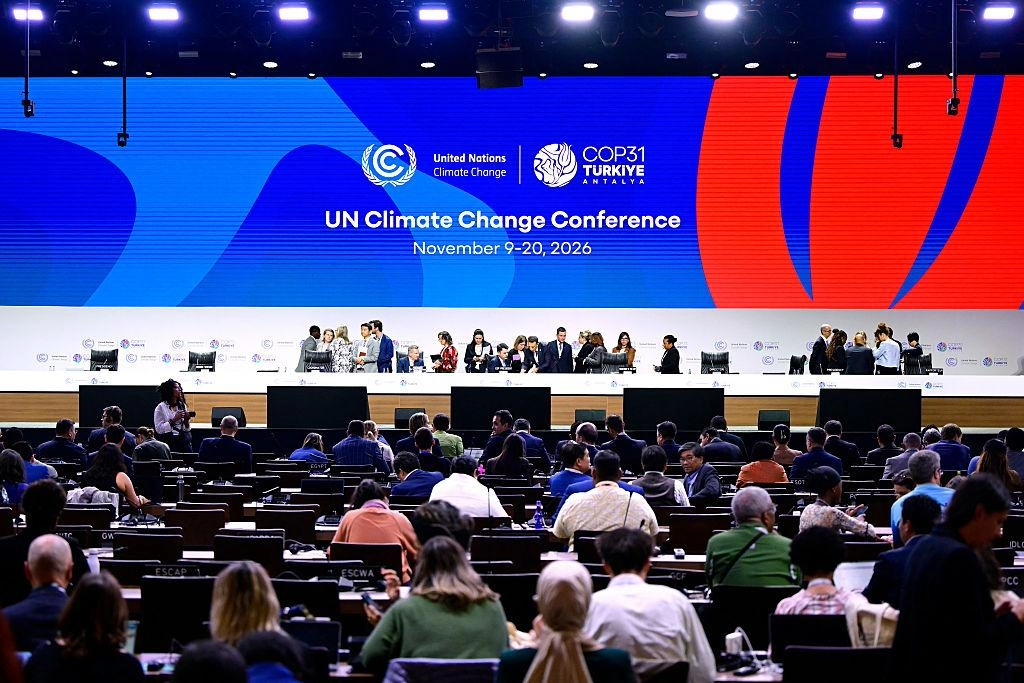
The UN climate conference COP31 in Antalya, Turkey, ended on Sunday, November 22, without an overarching agreement after countries were unable to reach consensus on whether the final text should refer to fossil fuels.
The talks opened on November 9 and were scheduled to close on November 20, but ran about two days into overtime. AFP reported that COP31 became the longest climate summit on record, and that the outcome drew comparisons with the 2009 Copenhagen talks, the last summit to end without an overarching decision.
Why the talks stalled
The main sticking point was a proposed cover decision, known as the Antalya Pact, put forward by Turkey, which held the COP31 presidency, and Australia, which led the negotiations. According to Al Jazeera, a revised draft released early on Sunday made no mention of fossil fuels while supporting carbon capture technology.
Al Jazeera reported that around 130 countries had written to the presidency saying any deal must set out a path for transitioning away from fossil fuels. The European Union, speaking through Ireland’s climate minister Darragh O’Brien, said it would not endorse a text that did not mention them, AFP reported. Panama, Vanuatu and the Marshall Islands also objected.
Saudi Arabia and other members of OPEC opposed wording on phasing out fossil fuels, according to Al Jazeera. A Saudi negotiator, Mohammad Ayoub, told reporters the kingdom believed tackling climate change required every available solution to be on the table, AFP reported.
What officials said
Chris Bowen, Australia’s climate minister and COP31 president of negotiations, said he could not overcome what he called “unbridgeable red lines”, according to AFP. COP31 President Murat Kurum, Turkey’s environment minister, formally closed the meeting.
UN climate chief Simon Stiell described progress over the fortnight as limited, while UN Secretary-General António Guterres said in a statement that he shared the frustration of those who had expected more, AFP reported. A UK negotiator said Britain was profoundly disappointed with the substance of the draft.
What was left out
- A $120 billion climate finance target sought by developing countries did not survive in the final text, AFP reported.
- A late proposal from the co-hosts for a global goal to electrify the world economy was also dropped.
- Al Jazeera reported no progress on funding to help developing nations with energy transition and disaster response.
Why it matters for the Gulf
The UAE hosted COP28 in Dubai in 2023, where countries agreed to transition away from fossil fuels in energy systems, alongside goals to triple renewable energy capacity and double the rate of energy efficiency improvements by 2030. Al Jazeera reported that some experts had hoped COP31 would at least restate those commitments. A high-level UAE delegation attended the leaders’ segment earlier this month, as Al Gulf News reported when the summit opened.
The outcome has renewed debate about the UN’s consensus-based decision-making, Al Jazeera reported, while AFP noted that some countries are pursuing their own plans outside the COP process. Attention now turns to COP32 and to how countries meet existing commitments in the meantime.
Sources: Al Jazeera, AFP via The Korea Herald
